
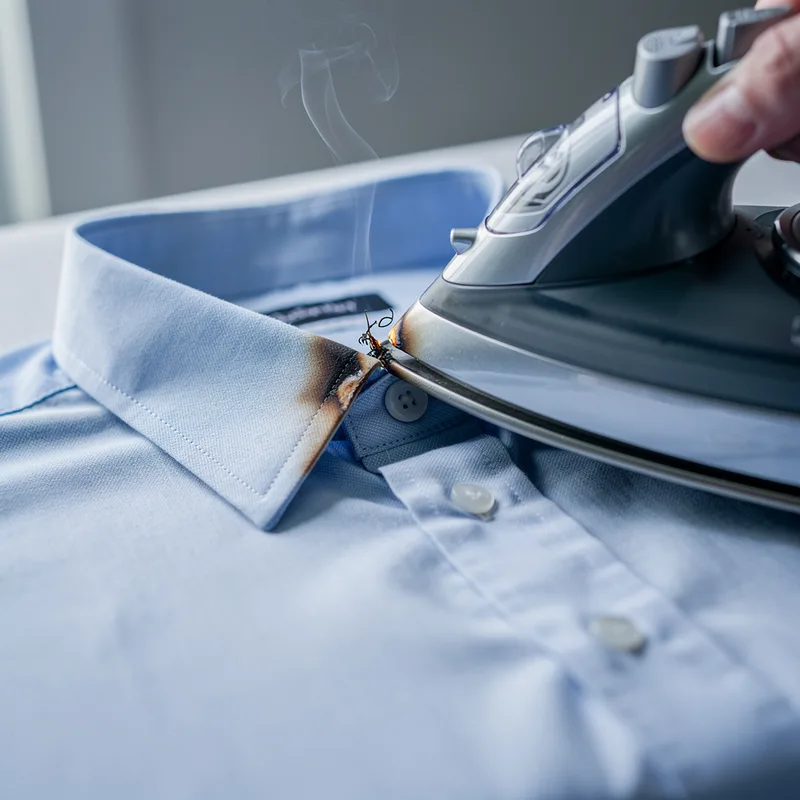
to singe
 6
4.2
6
4.2

- verb
- /sɪndʒ/
- When grilling, be careful not to let the fire singe the meat too much.
- singeing hair
- singe the eyebrows
- singe the skin
Loading YouTube…
Watch on YouTubeThey might have actually used a hot metal rod or something to try and burn or singe the hair off.
- They might have actually used a hot metal rod or something to try and burn or singe the hair off.
- The moment is about being funny, making fun of yourself and then yes, others too and singe don't burn is generally the rule at all these things.
Examples
-
Then I heard a match scrape and felt the small flame singe my crown.
Fiction book (2002) -
Except this water caused the fire to blossom and roar, singeing the branches high in the surrounding trees.
Fiction book (2001) -
They might have actually used a hot metal rod or something to try and burn or singe the hair off.
-
Hope I didn't singe the fur.
-
So close that he could feel the monster's breath singeing the hair on his arms.
-
I blushed, feeling heat from the curling iron singe the ends of my hair.
Fiction book (2000) -
He's just about to gag me when an ember sparks from the fireplace, singeing the hair on my wrist.
Fiction book (1992) -
The chef accidentally let the flame singe the tips of his eyebrows while cooking.
-
As the candle flickered, the wind caused the flame to singe the edge of the paper.
Synonyms
 20
3.5
20
3.5
To burn the surface slightly and make a brown mark

To burn the surface of something slightly with heat
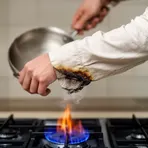
To burn something lightly on the surface
Antonyms
How Burned

Surface Forms
Etymology
Singe comes from an old English word sengan and a related old German word sengen, both meaning 'to burn'. So to singe something is to burn it just on the surface or only a little.