
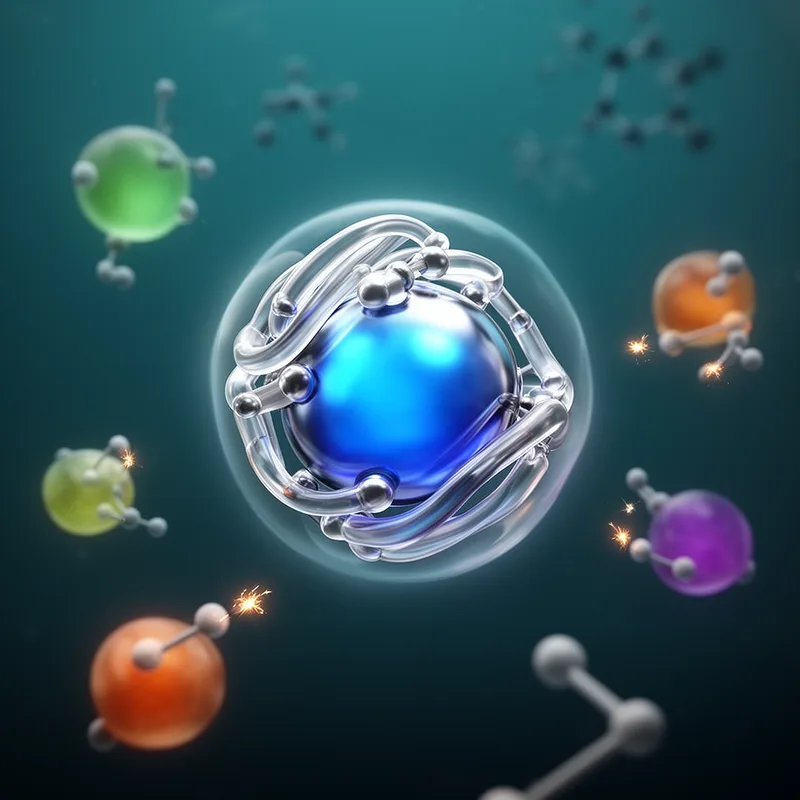
to sequester
 1
8.6
1
8.6

- verb
- /sɪˈkwɛstər/
- Specialized
- They sequester toxins from the air.
Examples
-
Certain minerals can sequester heavy metals and prevent them from leaching into water sources.
-
Using the dye, he was able to show that bone actively sequestered and transported nutrients to maintain its shape as it grew, a process he was the first to call bone modeling.
Academic text (2010) -
The CO2 could then be sequestered underground or perhaps under the sea.
Academic text (2006) -
All cells can form and sequester neutral lipids within LDs, especially when exposed to increased levels of fatty acids.
Blog text (27) -
Glyphosate sequesters a list of nutrients, rendering them unavailable to vulnerable plants.
Blog text (12) -
PCBs are ubiquitous environmental contaminants with a tendency to bioaccumulate up the food chain and sequester in human adipose tissue.
Academic text (2010) -
In the firefly lantern, thousands of specialized cells called photocytes sequester luciferin and luciferase deep within their interiors.
Academic text (2003) -
These data underscore the importance to metabolic health of sequestering excess free fatty acids in esterified form (TAG) within LDs.
Blog text (27) -
Daly believes that the frogs are sequestering these alkaloids from the arthropods they eat, most likely ants, mites, beetles, and flies.
Academic text (1999) -
Common treatment options for pond effluents include the use of settling ponds to sequester particulates, oysters to remove suspended materials from water before its discharge, and seaweed or other plants to act as biofilters to remove excess nutrients.
Academic text (2009)
Antonyms
How Bound
- Specialized

 1
9.3
1
9.3

- Specialized
1
8.6
- Specialized
131
3.9
364
3.4
Surface Forms
Etymology
Sequester comes from the Latin sequestrare, which meant 'to set aside'. In chemistry to sequester an ion is like putting it 'set aside' by locking it into a stable compound so it cannot take part in other reactions.