
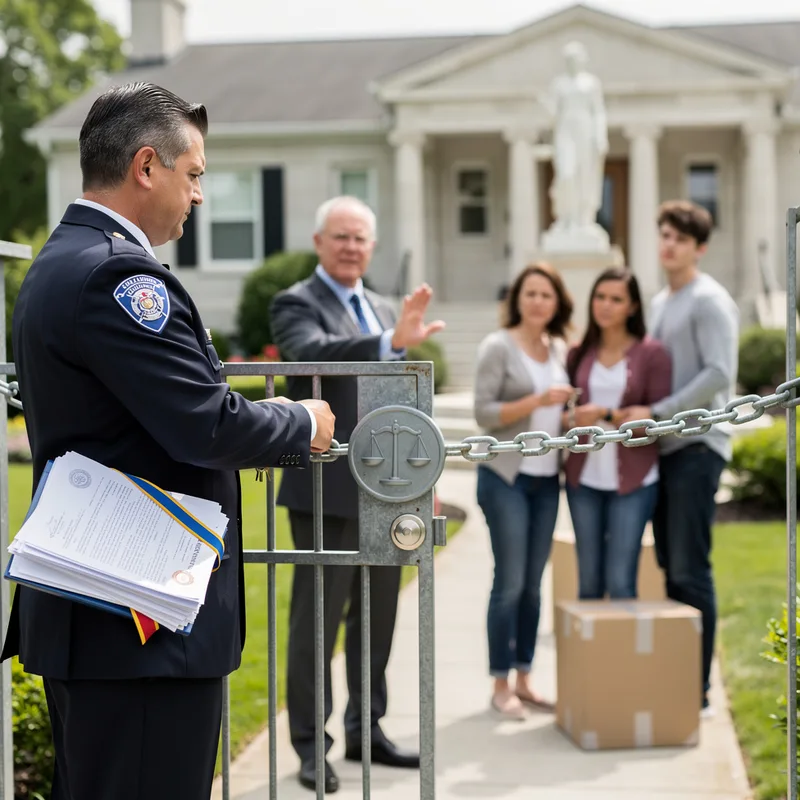
to sequester
 3
8.6
3
8.6

- verb
- /sɪˈkwɛstər/
- Formal
- And, you know, when the jury deliberates, I'll have to be sequestered, which means I'll have to stay in a motel and you'll have to stay with Mrs. Kolodny.
Examples
-
To protect the evidence, the authorities had to sequester the entire estate.
-
April 21—Hughes orders the defendants to allow Bail to examine computers or have the computers sequestered.
Academic text (2007) -
Which evidence on this case would you like to sequester?
-
I ought to be the one deciding what evidence to sequester, sir.
-
The judge has sequestered the jury.
-
Now, for the remainder of this trial, our jury is to be sequestered.
-
The jury was to be sequestered to avoid the kind of events that occurred in Birmingham three years earlier.
Academic text (1997) -
We got the jury sequestered, didn't we?
-
Well, ma'am, what I want you to understand is that this may be a lengthy trial, and that you would be sequestered during deliberations.
-
The judge decided to sequester the property until the trial concluded.
Synonyms
 156
4.6
156
4.6
To take something using legal power, often for a short time
 154
5.5
154
5.5
To take something away from someone because of the law or as a punishment
 50
7.1
50
7.1
To take someone's property by legal order to pay a debt
 38
7.2
38
7.2
To take and keep something by law, often cars or goods

To legally take someone's property to get unpaid rent or debt
Antonyms


How Seized

- Formal
3
8.6
38
7.2
- Formal
50
7.1
- Formal
37
6.2
Surface Forms
Etymology
Sequester comes from the Latin sequestrare, meaning 'to set aside' or 'give to a keeper'. That's why in law to sequester property means the court takes it and holds it safely until the case is decided.