

to bind
 131
3.9
131
3.9

- verb
- /baɪnd/
- Specialized
- You must bind the two pieces of fabric together using this adhesive.
- bind together
- bind to receptors
- chemically bound
Loading YouTube…
Watch on YouTubeThat's where the antibodies bind, but the stem doesn't change.
- That's where the antibodies bind, but the stem doesn't change.
- So with these specifics, SERM phytoserm does is that it binds only to the better receptor.
- It is a protein that binds to sex hormones.
- Void which binds what you call the fat line.
Examples
-
I might use this to bind them together.
-
- Gold is not the main thing that binds me to you.
-
The teacher thought about the fibers that bind the past with what no longer exists.
Fiction book (1990) -
The cannabis-laced butter chocolate is added along with plenty of honey to bind together all the ingredients.
-
We have to make sure that this molecule binds strongly to the titanium dioxide.
-
It is the mucus that binds us.
-
Mecham produced monoclonal antibodies that bind to specific proteins in the bluetongue viruses.
Academic text (1999) -
The researchers discovered that the drugs can bind to the specific receptor sites in the brain.
-
They decided to bind their efforts to create a more efficient workflow for the project.
Synonyms
 923
1.0
923
1.0
To fasten things together by making a knot with string or rope
 769
1.0
769
1.0
To attach something to a surface or push it into with a point
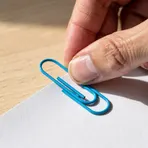 459
2.5
459
2.5
To join or fasten one thing to another so they stay together
 240
2.1
240
2.1
To hold on tightly to someone or something and not let go
 74
2.2
74
2.2
Fasten something with rope so it cannot move
 68
1.6
68
1.6
Hold something in place so it cannot move
 50
1.8
50
1.8
To make someone stay in one place or keep their attention on something
 47
3.3
47
3.3
Fasten something tightly to keep it from moving
 41
1.8
41
1.8
Stay attached to a surface
 30
3.3
30
3.3
To tie things together with a loop of material
 25
3.2
25
3.2
To stick two things together so they hold firmly
 23
4.4
23
4.4
To tie an animal or object so it cannot move away
 19
1.0
19
1.0
To fasten things together using a small metal or plastic device
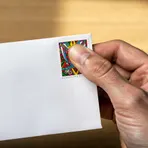 18
5.0
18
5.0
To attach something to another thing by sticking or fastening it
 17
5.2
17
5.2
To stick firmly to a surface such as glass or plastic
 11
5.5
11
5.5
To stay firmly attached to something or keep believing strongly in an idea
7
7.5
To stay very close to someone or something, often for support
 6
7.0
6
7.0
To join two things so they work together
 3
6.1
3
6.1
To bind things with a thin rope or string

To hold on to something so it stays attached

To tie something tightly with rope so it does not move
Antonyms
 161
3.5
161
3.5
To separate something so it is no longer joined, for example remove a cable or turn off power

Idioms


Phrasal Verbs

- Jargon
2
9.8
To order a defendant to be kept in custody or to obey certain rules until a later court hearing
Compounds

- Specialized
2
8.1
A situation where you are given two conflicting demands you cannot satisfy, often from someone in charge
How Strong

Surface Forms
Etymology
Bind (verb, attach) originally meant 'to tie' and is closely related to the word bond, so in science or computing it means to join things closely. That's why an atom or a program 'binds' — they are tied together.