

to latch on
- phrasal verb
- /læʧ ɑn/
- The dog will latch on to the toy and refuse to let it go.
Loading YouTube…
Watch on YouTubeI mean they really seem to latch on to the skin.
- I mean they really seem to latch on to the skin.
- So that's, you know, how the parasite latches on.
- And chelate means to latch on to it and try to pull it out of your out of your bloodstream.
Examples
-
Caffeine works by way of racing into the system, and it latches on to those adenosine receptors.
-
Memory B cells turn into plasma cells, which produce wave after wave of the specific antibodies that latch on to HIV to prevent it from infecting cells.
-
I mean they really seem to latch on to the skin.
-
It's because they both latch on to the same receptor sites or welcome sites within the brain.
-
And it just seems to have and some societies, wealthy societies have latched on to being super thin.
-
And chelate means to latch on to it and try to pull it out of your out of your bloodstream.
-
What part of my reptilian brain is latched on to that where this other stuff is non negotiable?
-
But really people have been talking about SARS, COVID twos immediate ability to latch on to human ace to from the beginning.
-
When they play, the child latches on to their favorite blanket for comfort.
-
The vine latched on to the fence post and began to climb.
Synonyms

 ∞
2.7
∞
2.7

To hold on tightly so you do not let go
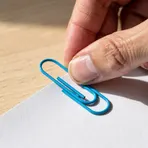 459
2.5
459
2.5
To join or fasten one thing to another so they stay together
 240
2.1
240
2.1
To hold on tightly to someone or something and not let go
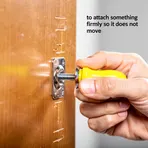 218
1.0
218
1.0
To attach something firmly so it does not move
 180
3.0
180
3.0
To keep something and not let it go
 141
2.0
141
2.0
To keep a strong grip on something so it does not fall
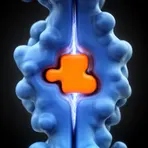 131
3.9
131
3.9
To join two things closely so they stay together
 99
2.1
99
2.1
To hold something or someone firmly so they cannot move
 85
1.3
85
1.3
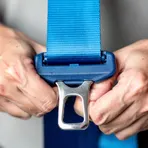
To hold something or someone tightly, often to keep them safe
 68
1.6
68
1.6
Hold something in place so it cannot move
 61
3.4
61
3.4
To hold tightly to someone or something because of fear, need, affection
 60
1.1
60
1.1
To take and hold something firmly with the hands
 58
2.5
58
2.5
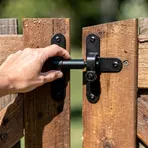
To fasten a door or gate with a small metal part
 52
2.9
52
2.9
To fasten something with a band so it stays in place
 50
1.8
50
1.8
To make someone stay in one place or keep their attention on something
 47
3.3
47
3.3
Fasten something tightly to keep it from moving
 42
2.2
42
2.2
Grab something firmly with your hands to stay safe
 41
1.8
41
1.8
Stay attached to a surface
 33
2.6
33
2.6
To hold a person or thing tightly with your hands
 25
2.7
25
2.7
Put something on a surface so it stays in place
 19
1.0
19
1.0
To fasten things together using a small metal or plastic device
 18
5.0
18
5.0
To attach something to another thing by sticking or fastening it
 17
5.2
17
5.2
To stick firmly to a surface such as glass or plastic
7
7.5
To stay very close to someone or something, often for support
 5
3.7
5
3.7
To attach something in place with a pin
 4
3.6
4
3.6
To attach something to a wall or board with a pin
 1
5.4
1
5.4
To fasten something to a surface with a small nail or pin
How Firmly

Surface Forms
Morphology
latch + on
The verb 'latch' (to fasten) combined with the particle 'on' evokes the metaphor of attaching to or gripping something, so a learner who knows the constituents can reasonably infer a sense of 'grasping' or 'attaching to' an idea. However, the jump from physical fastening to the specific senses 'understand/realize/adopt' is metaphorical and not fully predictable without exposure, so it is only partially transparent.
Etymology
Latch on comes from the image of a latch or hook catching onto a loop or edge. When the hook 'catches' the loop, the pieces stay firmly joined, so the phrase means 'to take hold of' or 'become attached'.