
seigneur
 1
9.9
1
9.9

- noun
- /seɪˈnjɜr/
- Archaic
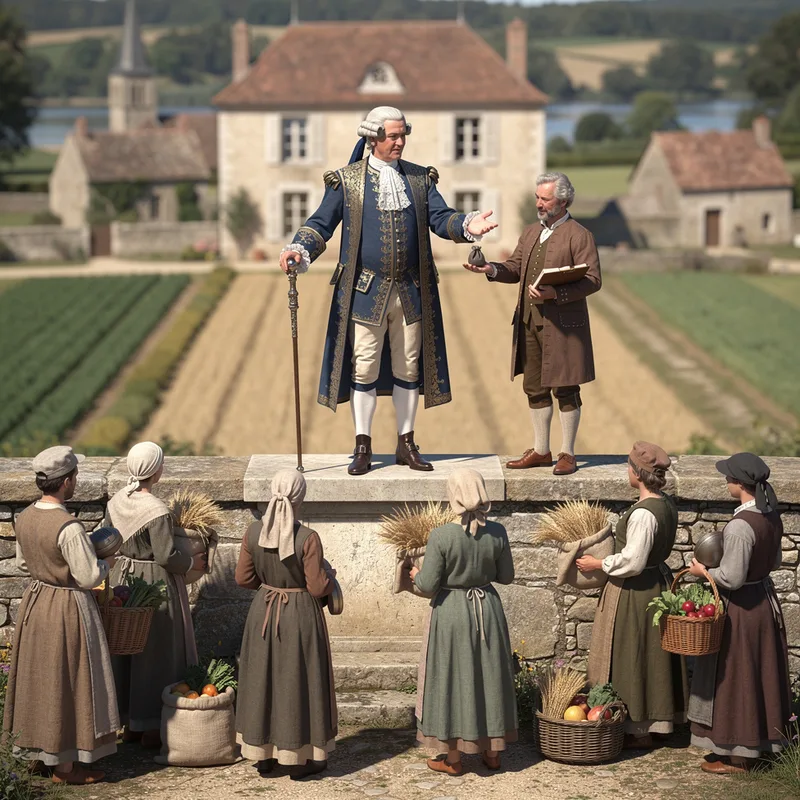
- In feudal times, a seigneur had significant authority over the land and its inhabitants.
- grands seigneurs
Examples
-
Since the central Middle Ages, seigneurs were important patrons of such Masses.
Academic text (2018) -
The participation of the seigneur, active or passive, was therefore vital to the success of much church refurbishment.
Academic text (2018) -
Welcome home, Monsieur le seigneur.
-
Once the wolves withdraw, the hunter returns to the seigneur to report his findings.
Academic text (1996) -
The rights of seigneurs to direct religious life in their jurisdictions were recognized by the Crown.
Academic text (2018) -
While parish priests were often the principal actors here, the role of seigneurs was crucial.
Academic text (2018) -
The relationship between local seigneurs and clergy working in rural parishes was traditionally a close one across the period under study.
Academic text (2018) -
Again, seigneurs patronized the parish and augmented their family credit at the same time.
Academic text (2018) -
The number of missions in rural parishes grew across the seventeenth century, and many local seigneurs were important supporters.
Academic text (2018) -
Her brother Bertran was Seigneur de Fos, and one of her sisters, Audiarda, was abbess of the Cistercian abbey of Mollges.
Academic text (2007)
Synonyms
 2
9.5
2
9.5
A rich, powerful man who holds land from the king and gives soldiers to the king

A man who owned and ruled land and the people who worked it in old times
How Powerful

Surface Forms
Etymology
Seigneur comes from the Latin word senior, meaning 'older', and became a French title for a man who owned land. Think of English senior — someone older or higher — so a seigneur was the elder or lord who had power over land and people.