

ruinousness
- noun
- /ˈruːɪnəsnəs/
- The ruinousness of the war left the country in economic hardship for decades.
Examples
-
He underestimated the ruinousness of taking out so many loans at once.
-
Environmentalists warned about the ruinousness of unchecked industrial expansion.
-
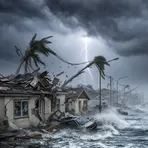
The ruinousness of the storm left the town in despair.
-
Isn't the ruinousness of neglect clear now?
-
Environmentalists warned about the ruinousness of unchecked industrial expansion.
-
He underestimated the ruinousness of taking out so many loans at once.
-
The ruinousness of the war left the country in economic hardship for decades.
Synonyms
 4
6.8
4
6.8

A tendency to cause damage to people or things
 2
6.1
2
6.1
The chance that something will harm people or property
 1
4.8
1
4.8
How much something can hurt people, animals, or things

Great harm that can cause death or serious damage
How Destructive


Surface Forms
Morphology
Etymology
The word ruinousness comes from the common word ruin, which long ago meant 'fall' or 'collapse', and the endings -ous ('full of') and -ness ('quality') turn it into the 'quality' of causing ruin. So, ruinousness is the state of being likely to cause great damage or destruction.