
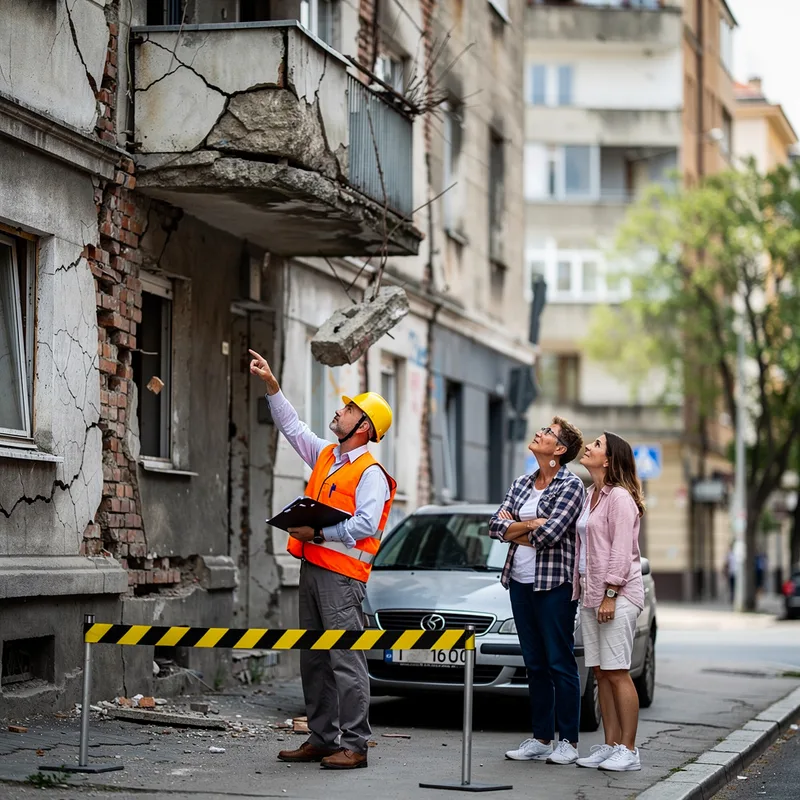
dangerousness
 2
6.1
2
6.1

- noun
- /ˈdeɪndʒərəsnəs/
- Many people are unaware of the dangerousness of certain household products if not used correctly.
- detainees' dangerousness
- stereotypes of dangerousness
- inherent dangerousness
Loading YouTube…
Watch on YouTubeCan doctors, psychiatrists or psychologists predict future dangerousness, and can juries make determinations about it?
- Can doctors, psychiatrists or psychologists predict future dangerousness, and can juries make determinations about it?
Examples
-
Many lower courts have interpreted Salerno to authorize consideration of a defendant's dangerousness in setting money bail.
Academic text (2017) -
Clearly, the question of his sanity and the question of future dangerousness were probably subject to being challenged.
-
Establishing dangerousness is not the same as establishing guilt.
-
Finally, experts may have a role in the dangerousness hearings.
Academic text (2005) -
Yet the dangerousness theory would suggest that we have greater reason to incapacitate Albert than Ben.
Academic text (2017) -
Supporters of the dangerousness theory have not provided anything approaching a satisfactory answer to this question.
Academic text (2017) -
The examples of noncriminal detention all require the government to prove dangerousness.
Academic text (2005) -
First assess for dangerousness and prognosis, then look at motivation.
Academic text (2010) -
Another feature of the model is the periodic reevaluation of the dangerousness of each detainee.
Academic text (2005) -
According to the court, conviction of a felony, including nonviolent felonies, is one way of proving dangerousness.
Academic text (2005)
Synonyms
 ∞
1.0
∞
1.0
A chance that people or things will be harmed
 12
2.8
12
2.8
A strong chance that people or property will be harmed
 1
4.8
1
4.8
How much something can hurt people, animals, or things
 1
4.5
1
4.5
How likely something is to cause harm or loss


 1
8.9
1
8.9
The state of being very dangerous and likely to cause harm

A situation likely to cause harm or injury
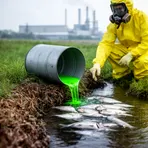
Great harm that can cause death or serious damage

The quality of causing harm to people or things

A feeling that something might cause harm or danger

Being dangerous because it has hidden risks or cannot be trusted
Antonyms


How Dangerous

Surface Forms
Morphology
Etymology
The word dangerousness comes from danger ('risk of harm') plus the common ending -ness ('state or quality'), the same ending you see in happiness and darkness. So dangerousness simply means the 'state of being dangerous' or likely to cause harm.