

resistant
 49
3.9
49
3.9

- adjective
- /rɪˈzɪstənt/
- The building uses resistant materials that can endure extreme heat and cold.
- corrosion-resistant
- resistant to chemicals
- chemically resistant
Loading YouTube…
Watch on YouTubeWe know that multi drug resistant TB is increasing.
- We know that multi drug resistant TB is increasing.
- Water and detergent resistant, UV protected, chip resistant.
- It is waterproof, sweat proof, transfer resistant, all the things.
- They're not upset he didn't wear the visor or the slip resistant shoes or whatever.
- It roughed body, moose heat, freestyle, frizz resistant and stronghold for waves and curls.
- In fact, it may be the one pattern that is the most resistant to change.
- Yes, it's one way collision resistant and.
- As you age, that tissue becomes more resistant.
- But Millet is so nutritious and so drought resistant.
Examples
-
They can engineer drought resistant crops and create apples that don't brown.
-
It's a lightweight, highly heat resistant metal.
-
It's like heat resistant, you know, chip proof kind of stuff.
-
And it's resistant to radiation.
-
You get this weather resistant plastic shell cover.
-
Scientists can also use biotechnology to make plants that are more resistant to drought or various diseases.
Academic text (1992) -
Wood-frame construction is considerably more resistant to earthquake shaking than concrete or block construction.
Academic text (1993) -
In South Africa, researchers have engineered corn that is resistant to the maize streak virus.
Academic text (2012) -
This new fabric is resistant to water, making it ideal for outdoor clothing.
-
The scientist developed a resistant strain of bacteria that can survive harsher environments.
Synonyms
 250
1.7
250
1.7
Strong and able to resist damage or rough use
 112
3.9
112
3.9
Strong and able to work well in difficult conditions
 28
7.5
28
7.5
Not letting water pass through and not changed by words
 22
3.7
22
3.7
Strong and made to last in rough use
 18
3.9
18
3.9
Able to live and grow in cold or bad weather
 13
4.4
13
4.4
Can survive in difficult conditions like heat or drought
 5
3.4
5
3.4
Keeps some water out without being fully waterproof
 3
4.1
3
4.1
Not easily burned in a fire
 1
3.9
1
3.9
Able to keep out rain, wind, or sun
 1
4.4
1
4.4
Not letting water or other liquids soak in
 1
4.7
1
4.7
Resists damage from rust or chemicals


 1
3.7
1
3.7
Not easily damaged by water or mold
 1
5.3
1
5.3
Bacteria or germs that penicillin does not kill
 1
5.7
1
5.7
Able to grow or live when there is very little food

Not easily affected by the brown, flaky damage that forms on metal
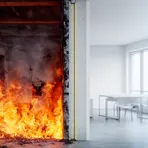
A material or building that is difficult to burn and able to stay whole in a fire for some time
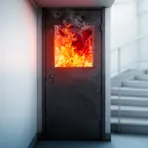
Does not burn easily in a fire, for example walls or doors

A material not easily damaged by moths
Antonyms


Compounds

- Specialized
A mild adult illness that develops slowly with high blood sugar and usually does not cause ketosis

- Specialized
A mild adult condition of high blood sugar usually controlled by diet and pills, not insulin

- Specialized
A mild diabetes in adults controlled by diet and pills rather than insulin

- Specialized
A mild diabetes in adults that rarely causes blood acid and doctors treat with diet or tablets not insulin

- Specialized
Bacteria that penicillin does not kill and that keep growing

- Specialized
An antibiotic like penicillin that still works when bacteria make a chemical that breaks penicillin

How Resistant

Surface Forms
Morphology
Etymology
Resistant comes from the verb resist, with re- 'back' and sist 'to stand', giving the picture of 'standing against' something. That's why a resistant material 'stands against' water, heat, or chemicals and does not give way.