
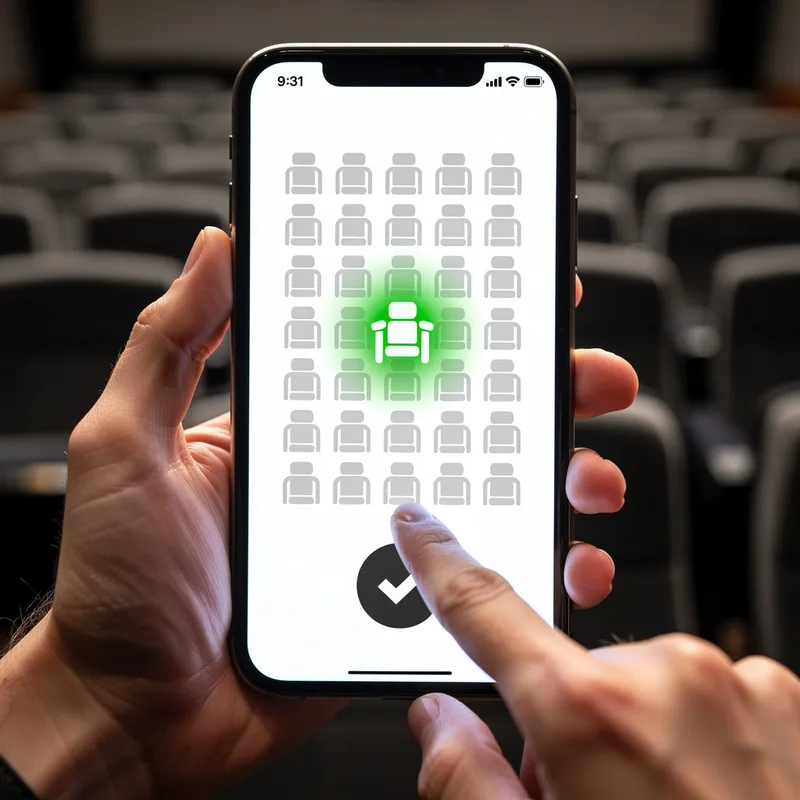
to reserve
 43
3.2

- verb
- /rɪˈzɜrv/
- I want to reserve a table at that new restaurant for dinner tomorrow.
- reserve a place
Loading YouTube…
Watch on YouTubeYou are reserving, you know, one of the games.
- You are reserving, you know, one of the games.
- They check into a hotel where they reserved the room.
- OK, what is the peak time for buying a flight tickets and reserving a hotel room before a trip?
- We need to reserve a week where I can go to a cabin.
Examples
-
The carriage house is reserved for Jim's clients, and guests such as yourself.
-
Historically, the in-depth course in sports law has been reserved for graduate programs of study.
Academic text (1990) -
Would you like me to reserve this table for you every night?
-
Group size is limited to eight, so reserve early on the convention registration form.
Academic text (1996) -
I went back to the inn to reserve a bed for my first night out of prison.
Fiction book (1992) -
The entire floor of the hotel was reserved for the President's party, and the two floors under it.
Fiction book (1991) -
They decided to reserve a hotel room in advance for their vacation.
-
Make sure to reserve your tickets for the concert before they sell out.
Synonyms
 ∞
1.3
To keep something for someone to use later
 ∞
1.0
Keep something for use later
 364
1.8
To arrange for a seat, room, or ticket before you need it
 106
3.1
Leave an option available for later use
 83
3.4
Save money or time for a special purpose
 58
3.2
Keep something for later use
 29
3.0
Keep something to use at a later time
 15
3.5
To reserve all available places or tickets for an event
 9
2.9
Put money aside to use if something unexpected happens
 8
3.5
Reserve a place for someone in an event, for example a class
 7
2.8
Save part of something to use later
 4
3.3
To sign up in advance to attend or stay at a place
 2
7.9
To delay something and keep it for later use
 1
3.2
To arrange a time and reserve a place for a class or appointment
Antonyms


Compounds
 213
4.1
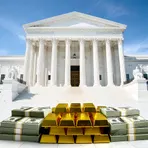
The central bank of the United States that controls interest rates and helps keep the country's money and banks safe
- Specialized
29
4.9
A regional bank that holds commercial banks' money and helps run the country's central bank system
 20
3.5
A US regional bank in the central bank system that holds money for local banks
 16
5.1
Seven people who set interest rates and other money rules in the United States
 10
4.4
The central bank of the United States that controls money and checks banks
 3
5.1
Paper money the United States Federal Reserve issues for buying things
 2
4.0
A group of trained soldiers not on active duty who can be called in emergencies
 2
6.7
Money a company keeps from profits to use for special or unexpected costs that cannot be paid to shareholders
 1
4.5
A college program that trains students to become military officers and usually requires service after graduation

- Specialized
1
7.2
The percentage of a bank's deposits that must be kept so customers can withdraw money

- Archaic

 1
9.9
A contract part that lets a team keep a player for one more year after it ends

- Specialized
1
9.9
A hidden amount of money a company keeps to make profits look steady

- Specialized
1
8.0
An amount of money or assets a company does not show in its accounts

- Specialized
1
7.4
The minimum percent of a bank's deposits it must keep and not lend

- Specialized
1
8.1
A company keeps money from profits to cover possible drops in asset value


- Specialized
An account showing extra value when a company asset is worth more than its cost
- Specialized
A group of local people trained as soldiers who get called up in emergencies to defend the country
How Confirmed

Surface Forms
Etymology
Reserve comes from the Latin parts re- 'back' and servare 'to keep', the same idea in preserve. So to reserve a seat is to 'keep it back' for you—book it in advance.