
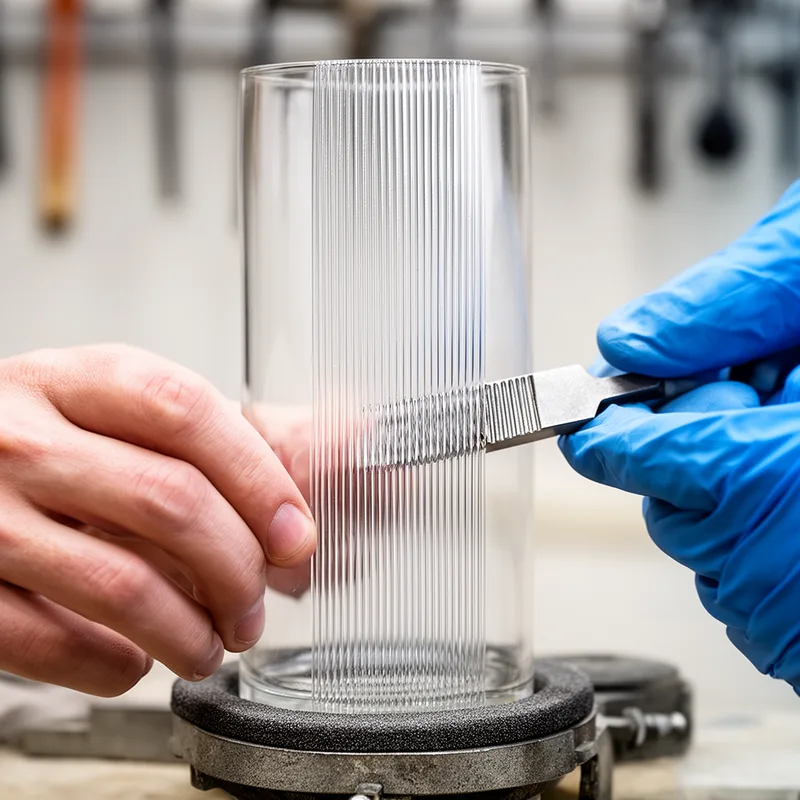
to reed
- verb
- /rid/
- Specialized
- Many antique columns are reeded to create a classical architectural effect.
Examples
-
They reeded the surface to create a textured finish.
-
The craftsman carefully reeded the edges of the silver coin for decoration.
-
She reeds the glass vases to give them a unique texture.
-
The artist decided to reed the wood for a unique look.
-
The craftsman carefully reeded the edges of the silver coin for decoration.
-
They reeded the surface to create a textured finish.
-
The artist decided to reed the wood for a unique look.
Synonyms


Compounds

 1
8.1
1
8.1
A keyboard instrument that makes sound when air is pushed through thin metal strips using hand pumps
- Specialized

 1
9.1
1
9.1
A thin metal tongue that vibrates in a slot to make sound in harmonicas or accordions
 1
4.1
1
4.1
An instrument that makes sound when a reed vibrates, like a clarinet or saxophone

A musical instrument that makes sound when a thin piece of wood or cane vibrates as you blow

- Specialized
A marsh plant with long narrow leaves and round spiky fruits that stick to fur

- Specialized
A group of water plants with long grass-like leaves and round flower heads


- Specialized
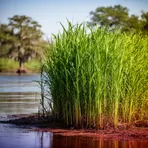
A tall plant in wet places with long leaves and feathery flowers used to make mats and arrow shafts

- Specialized
Two thin pieces of cane joined together that vibrate to make sound in instruments like the oboe
- Specialized
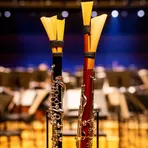
A musical instrument that makes sound with two reeds, like an oboe or bassoon

A tall plant from the Nile valley with strong stems used to make paper and mats

- Australian
A tall grass from Australia with long thin stalks often used for hay


- Specialized
A wind instrument that makes sound when air moves a thin reed, like an accordion or harmonica


- UK
A small songbird that lives among reeds by water with a streaked brown back and males with black heads

A tall grass that lives for many years and grows in wet places like riverbanks and ditches
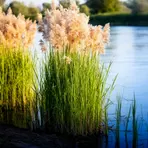

- UK
A tall marsh plant with long flat leaves and long brown seed heads used for weaving mats and chair seats

A grass that grows in wet fields and marshes and provides grazing for cattle

- Specialized
A pipe in an organ that makes sound when a thin metal strip vibrates, giving a bright tone

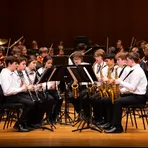


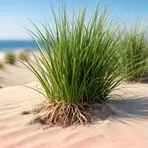

A musical instrument like a clarinet or saxophone that makes sound when air passes one reed

A wind instrument that uses one reed to make sound, like a clarinet or saxophone

- Specialized
A thin stiff strip that makes sound when air moves through it in instruments like clarinets
Surface Forms
Etymology
A helpful way to remember reed meaning 'to make parallel grooves' is to imagine many reeds standing side by side; the lines or grooves look like rows of those plants, which is why edges are called 'reeded'.