
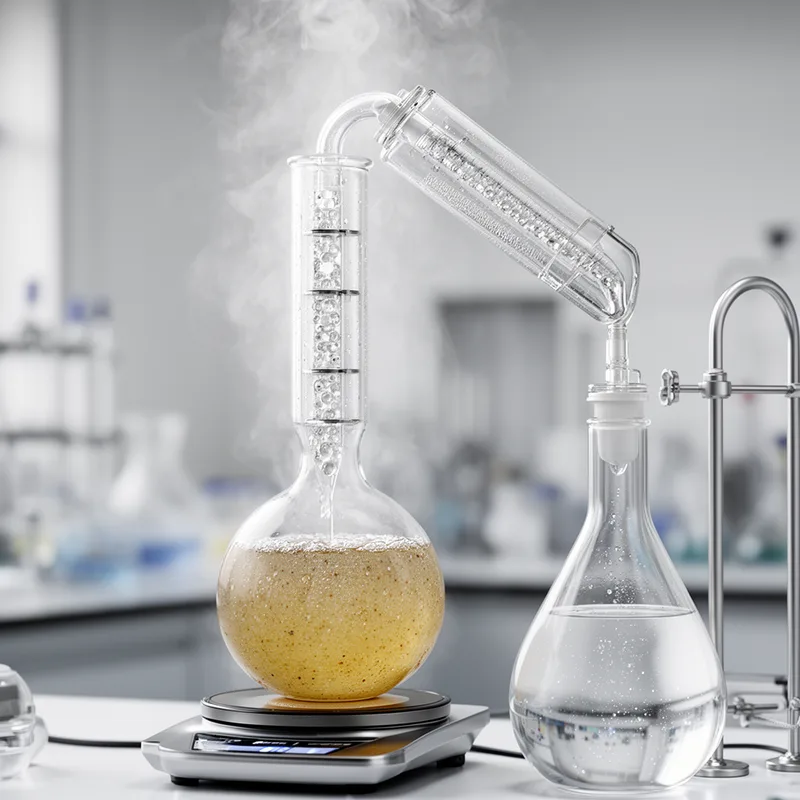
rectification
- noun
- /ˌrɛktɪfɪˈkeɪʃən/
- Specialized
- The rectification of crude alcohol involves multiple distillation stages.
Examples
-
Rectification improves the purity of the final product during chemical processing.
-
After the rectification, the distillate was much purer.
-
Modern laboratories use advanced equipment for the rectification of chemical substances.
-
The rectification of the solution took several hours.
-
Rectification is essential in the production of high-quality spirits through repeated distillation.
-
The chemist carefully monitored the rectification process to ensure the substance met purity standards.
-
In the lab, the rectification of organic compounds enhances their overall effectiveness in experiments.
Synonyms

 15
4.6
15
4.6

Making something clean by removing unwanted or harmful substances
 2
4.2
2
4.2
Removing unwanted substances from a material to make it pure
 1
5.9
1
5.9
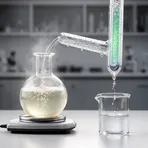
Heating a liquid to make steam and cooling the steam to get pure liquid
 1
3.8
1
3.8
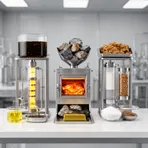
The process of removing unwanted parts from oil, metal, or sugar to make them pure

 1
6.7
1
6.7
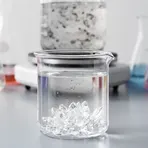
A process where crystals form again to make a solid pure

To purify a liquid by boiling it and collecting the steam that turns back into liquid
Surface Forms
Morphology
Etymology
Rectification comes from the Latin root rectus, meaning 'straight' or 'right', and the same idea appears in the verb rectify. In chemistry, rectification is the repeated distillation that makes a liquid pure, so you can remember it as making the substance 'right' or pure by removing wrong parts.