

to recognize
 705
1.4
705
1.4

- verb
- /ˈrɛkəɡnaɪz/
- US
- It is important to recognize the signs of mental health issues before they worsen.
- recognize the importance
- recognize the need
- important to recognize
Loading YouTube…
Watch on YouTubeAnd I think that you have to kind of recognize that now.
- And I think that you have to kind of recognize that now.
- We are the ones who form and follow and recognize moral norms.
- So when did you recognize that that you were wrong?
- And so I think we have to start from recognizing ours is the worst.
- They blame themselves instead of recognizing this is not OK.
- Yes, their conscious mind recognizes it is not possible.
- One other big form of wealth which is important to recognise is debt.
- The first thing we have to recognise is that change is hard.
- Well, you have to recognize where weakness is in you.
- I want you to recognize what it is.
- This was a trend even I could recognized was not so good.
- And, and, and I could then recognise if I felt during that.
Examples
-
We want her to win because we recognize that she is a part of us.
Academic text (2008) -
Above all, we teach our kids to recognize the power of their own thinking.
Academic text (2013) -
But I also got the chance to recognize that I matter.
-
And I think that you have to kind of recognize that now.
-
All we have to do is recognize it.
-
At the same time, you have to recognize that you have limitations.
-
The State Department took months to even recognize that a coup had taken place.
Academic text (2011) -
When planning prevention programs, schools should recognize that any successful initiatives evolve from local conditions.
Academic text (2013) -
Well, I'm glad you're finally recognizing that.
-
Indeed, children's attitudes and perceptions of bullying are recognized as important for understanding this phenomenon.
Academic text (2008)
Synonyms
 ∞
1.0
∞
1.0
To understand what something means
 ∞
1.0
∞
1.0
To know the meaning of something
 ∞
1.0
∞
1.0
To recognize a person or thing you have seen before
 ∞
1.1
∞
1.1
To suddenly understand something you did not know before
 ∞
1.0
∞
1.0
To find out about something for the first time, often by chance
 763
3.2
763
3.2
Find something that is hard to notice
 629
4.2
629
4.2
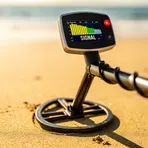
To notice something by feeling or by using a tool
 369
3.0
369
3.0
To become aware of something in your mind and understand it
 137
2.7
137
2.7
To understand the meaning of something
 70
5.8
70
5.8
To notice something that is hard to see or hear
 31
3.0
31
3.0
To find out what really happened
 25
7.8
25
7.8
Start to understand what is happening or what to do
 9
4.3
9
4.3
To understand the meaning of something
 7
7.0
7
7.0
To understand someone tricked you and become more careful


 1
9.6
1
9.6
To notice and understand something in your mind

Notice the true situation after ignoring or misunderstanding it
Antonyms


Phrasal Verbs

How Aware

Surface Forms
Morphology
Etymology
Recognize comes from the old parts re- 'again' and cogn- 'know', giving the idea of coming to know something. So to recognize a problem or fact is to become aware of it and accept it as true.