

pyrogenic
- adjective
- /ˌpaɪrəˈdʒɛnɪk/
- Specialized
- Scientists study pyrogenic processes to better understand the formation of igneous rocks.
Examples
-
The volcanic eruption created a pyrogenic landscape, with molten rock and ash scattering across the area.
-
Yet their pyrogenic CH4 (from increased charcoal production) rises after 1350.
Blog text (19) -
The pyrogenic activities deep within the Earth's mantle contribute to the planet's dynamic geology.
Synonyms

 79
3.9
79
3.9

Relating to volcanoes or the lava and ash they produce
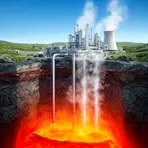 27
4.9
27
4.9
Heat from inside the Earth used to make power or heat buildings
 4
7.4
4
7.4
Rock like granite that forms when hot, melted rock cools
 1
7.8
1
7.8
Happening because of heat
 1
7.6
1
7.6
Relating to very hot liquid rock under the ground or things made from it


 1
7.4
1
7.4
Heat that comes from under the Earth's surface

Made by very high heat, for example in volcanoes
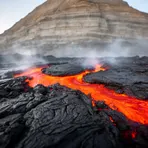
Rock made when hot lava or ash cools
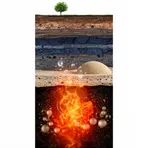
Formed by heat, often deep underground in rocks
How Heat-Formed

Surface Forms
Morphology
pyrogenic = pyrogen (semi-transparent) = pyro + gen + ic
The form clearly suggests a heat-related technical adjective, but the geological sense remains specialized rather than fully transparent.
Etymology
Pyrogenic comes from the Greek parts pyro- meaning 'fire' and -genic meaning 'producing', like in the word generate. So pyrogenic rocks or deposits are 'produced by fire' or very high heat, for example in volcanoes.