

predisposition
 9
7.1
9
7.1

- noun
- /ˌpriːdɪspəˈzɪʃən/
- Hope and optimism need to be our standard predispositions in our classrooms, right?
- ideological predisposition
- innate predisposition
- cultural predisposition
Loading YouTube…
Watch on YouTubeSo I again, sometimes I think it's a predisposition that I have toward optimism.
- So I again, sometimes I think it's a predisposition that I have toward optimism.
- I'm I'm not sure, but sometimes I think men have a predisposition to avoid conflict.
- I'm captivated by our natural predisposition to anthropomorphize things.
- They weren't liars, they just they had a predisposition to believing that the issue was land.
- So we're born with certain predispositions and resilience, resilience.
- I think the threatening part is not there or the predisposition that women aren't funny isn't there either.
- But in fact, he comes in without any predispositions and is just an impeccable researcher.
- People don't have that kind of predisposition and they also have many competing predispositions, pre pre compulsions, if you will.
- The problem comes about when you show no willingness or or predisposition to do your own thing at any point.
- Scientists tend to focus on black people as research subjects to investigate the innate predisposition for violence and other forms of antisocial behavior.
- Some people have more of a predisposition to having these kind of thought loops, and some people have more kind of anxious chemicals in them.
- You know, you know, you can overlook your predispositions.
Examples
-
Why should it be any different with our predisposition to the possible illusion of free will?
Blog text (16) -
Eric Kandel (1979) proposed that the predisposition of the brain to learning could be activated by experience.
Academic text (1992) -
And when you point it out, it's your predisposition and then your experiences.
-
All born with a predisposition to violence.
-
So I again, sometimes I think it's a predisposition that I have toward optimism.
-
The problem comes about when you show no willingness or or predisposition to do your own thing at any point.
-
Second, students should deal with primary sources so they can develop their own knowledge, skills, and predispositions.
Academic text (1999) -
I'm captivated by our natural predisposition to anthropomorphize things.
-
My interest in intellectual freedom was one of the predispositions that drew me to a career in school librarianship.
Academic text (2015) -
She has a predisposition to anxiety, often worrying about situations before they happen.
Synonyms
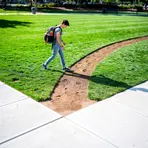 316
2.8
316
2.8
A usual way of behaving, thinking, or changing
 261
5.2
261
5.2
A strong unfair feeling that makes you like or dislike someone and affects decisions
 96
4.2
96
4.2
A person's set of beliefs or preferences that guide their actions
 43
4.6
43
4.6
A person's usual mood or natural way of behaving
 36
7.3
36
7.3
A natural tendency to behave in a certain way
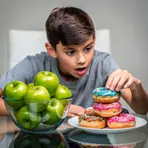 19
8.5
19
8.5
A natural liking or habit of doing something, often a bad thing
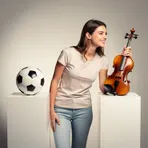 19
3.4
19
3.4
A tendency to prefer one idea or activity
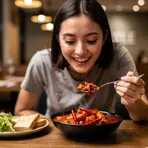 13
8.4
13
8.4
A strong liking for something, like a type of food or music
Antonyms


How Inclined

Surface Forms
Morphology
predisposition = predispose (semi-transparent) = pre + dis + posit + ion
The noun is clearly related to 'predispose', but the Latinate '-pose' to '-position' alternation is not a fully transparent rule for average learners.
Etymology
Predisposition combines pre- 'before' with disposition 'a usual way of behaving', and it is related to the familiar word position ('place' or 'state'). So, a predisposition is a tendency someone has already 'before' a situation, which helps explain why they are likely to think or act a certain way.