

plantain
 1
5.8
1
5.8

- noun
- /ˈplænˌteɪn/
- Damselflies in glowing blues and greens decorating the drab flower spikes of plantains were the beautiful exceptions to the irritating swarms that suddenly appeared.
- plantain leaf
- plantain flower
Loading YouTube…
Watch on YouTubeYou see, these plants here grow wild just like any other ordinary round leaf plantain does.
- You see, these plants here grow wild just like any other ordinary round leaf plantain does.
Examples
-
Common plants include sweet flag, water plantain, purple avens, blue iris, marsh marigold, sundrops, water smartweed, and several kinds of white-flowered aster.
Academic text (1998) -
So do I have any unspliced plantain, Snapdragon Plantain?
-
"The key is down by the front steps, under a plantain leaf!"
Fiction book (2001) -
She felt like embracing the plantain leaf seller in the Tamil-speaking colony of the city.
Fiction book (1992) -
Keneret imagined a clan of Filipino beauties chewing plantain leaves for dental splendor.
Fiction book (1998) -
A quick little project: lavender-infused moisturizer, two Calendula/plantain salves, and a chamomile-infused lip balm.
Blog text (23) -
Roulette patterns on cooking pots are obtained either with a wooden, carved roulette or simply with the dried stem of the plantain flower (tuo kungo).
Academic text (2007) -
The list of products assigned in the state online store is made up of Guar nicotine gum, Kola fruit plant, Penilla frutescens, China water plantain, Cassia seed, and there are more.
Blog text (31) -
The need to weed effectively was the subject of agronomic exhortation by one self-styled progressive but anonymous farmer: "Shall we quail before pigweed, purslane, and plantain?"
Academic text (1991) -
The herbalist suggested using plantain leaves to treat minor cuts and bruises.
Synonyms

A group of small herb plants called plantains that grow worldwide

A common plant with broad leaves that grows in lawns and gardens

A low plant with broad leaves that grows as a weed in lawns and fields

A common weed with wide leaves that grows in lawns and gardens
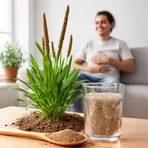
A Mediterranean plant whose small seeds swell when wet and help with constipation

A North American wild plant with red leaf stalks and wide leaves that grows in wet places

A small wild plant from North America with broad leaves and red leaf stalks

A small wild plant with soft hairy leaves that grows by roads and in meadows
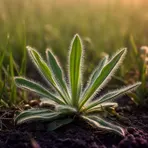
A small North American wild plant with long soft hairs on the leaves

A plant that lives for several years with hairy leaves and small fragrant white flowers

A wild plant with long narrow leaves with raised veins that grows in fields and by roads

A small wild plant with long narrow leaves that often grows in fields

A common wild plant with long narrow ribbed leaves that grows in lawns and roadsides
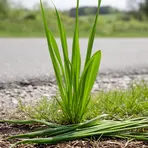
A common wild plant with long narrow ribbed leaves that grows along roads in cool areas
Compounds
A common wild plant with long narrow ribbed leaves that grows in lawns and roadsides
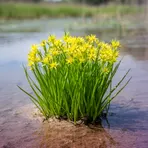
- US
A water plant that grows in shallow water with grass-like leaves and small yellow star-shaped flowers
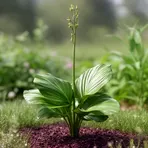
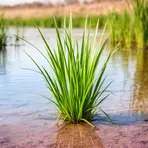

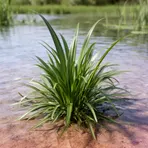
- Specialized
A water plant with long narrow leaves that grows in shallow water
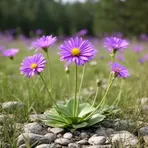
A North American wild plant with red leaf stalks and wide leaves that grows in wet places

A group of mostly small plants and a few shrubs, often including common lawn weeds

A plant that lives many years with broad ribbed leaves and pale flowers used as ground cover

A tropical tree that grows large starchy fruits like bananas that are often cooked before eating
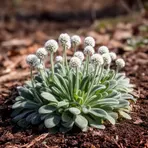
A small North American plant with low grey-green leaves and small fluffy white flowers

- Specialized
A plant with broad leaves and small white or pink flowers that grows in wet places
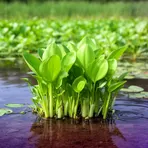
- Specialized
A group of plants that live in wet places like ponds and marshes, often with broad leaves
Surface Forms
Etymology
Plantain (the small roadside weed) comes from the Latin plantago, from planta meaning 'sole of a foot', because the leaves are flat and look like the sole of a foot; that's why the name suits this low, broad-leaf plant used in folk medicine.