
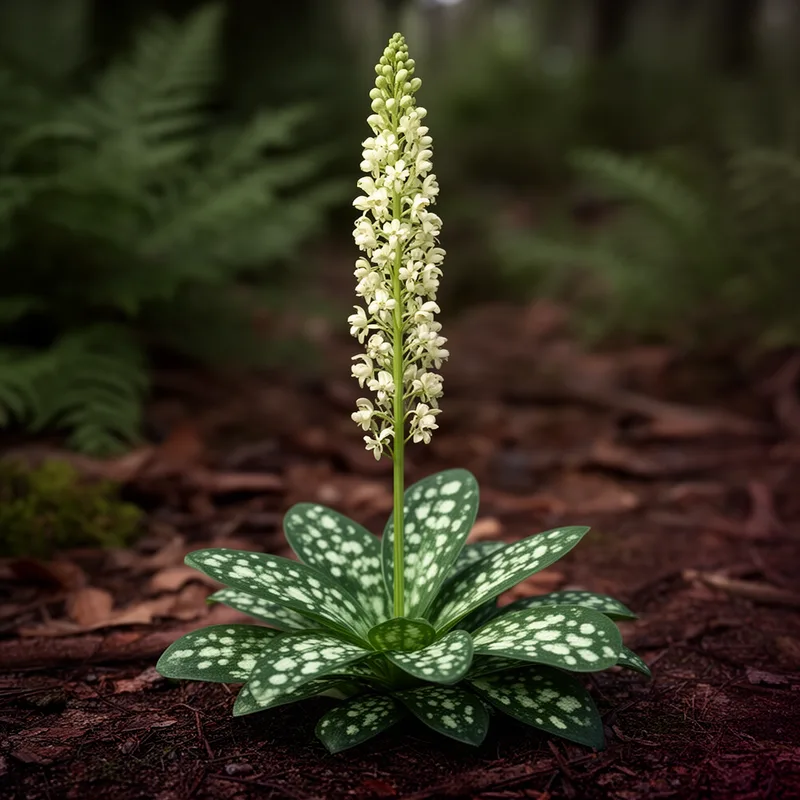
rattlesnake plantain
- noun
- /ˈrætəlˌsneɪk ˈplænteɪn/
- She identified the distinctive leaves of the rattlesnake plantain during her hike in the woods.
Examples
-
The rattlesnake plantain is known for its unique leaf patterns.
-
The forest understory was dotted with rattlesnake plantain blooming among the ferns.
-
Some gardeners cultivate rattlesnake plantain for its unique variegated foliage.
-
Have you seen a rattlesnake plantain before?
-
The garden featured many unique species, such as the beautiful rattlesnake plantain, known for its strikingly patterned leaves.
-
During our hike, we spotted a rattlesnake plantain blooming among the forest floor's diverse plant life.
-
In the botanical garden, the curator pointed out the rattlesnake plantain, which is admired for its unusual leaf markings.
Surface Forms
Morphology
The compound is partly compositional: 'plantain' clearly signals a type of plant and 'rattlesnake' suggests an association or resemblance (e.g., patterned leaves like a rattlesnake). However, the precise botanical sense — that it denotes certain small orchids with mottled leaves and specific floral structure — is not predictable from the constituents alone, so a learner would only get a general idea, not the full meaning.
Etymology
Rattlesnake plantain gets its name from the plant's look: its low leaves have dark spots or stripes that remind people of a rattlesnake's skin, and people long ago used the word plantain for flat, low leaves. So the name helps you remember it is a small wildflower with spotted or striped leaves.

