

phonographic
- adjective
- /ˌfoʊnəˈɡræfɪk/
- Specialized
- In contrast to the Chinese writing system in which only Chinese logographic characters are used, the Japanese writing system combines both logographic (Kanji) and phonographic (hiragana and katakana) systems.
Examples
-
In many phonographic languages, each letter corresponds to a specific sound in speech.
-
The vast majority of characters, less frequently used, are a compound of an ideographic constituent and a phonographic constituent.
Academic text (2006) -
The phonographic method allows students to learn how to sound out words in English.
-
Phonographic representations make it easier for language learners to understand pronunciation.
Synonyms

 7
4.8
7
4.8

About speech sounds and how to show them in writing
 1
7.0
1
7.0
Describes speech sounds that change the meaning of words


 1
7.9
1
7.9
Relating to consonant sounds made with the mouth partly closed, or to writing that shows mainly consonants

About how letters or letter groups match sounds in a language
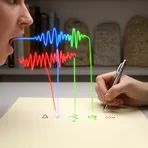
Showing a sound in writing rather than a whole word
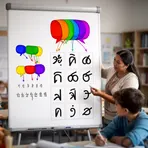
A writing system in which each sign represents a syllable

Making a written record of spoken words
Surface Forms
Morphology
phonographic = phonograph (opaque) = phono + graph + ic
Although the form is built with classical sound-related elements, this sense referring to a speech-sound writing system is not directly predictable from the modern base word 'phonograph'.
Etymology
Phonographic comes from Greek parts phono- 'sound' and -graph 'write'. So a phonographic writing system 'writes' the sounds of speech, which is why language experts call alphabets like Hangul phonographic.