
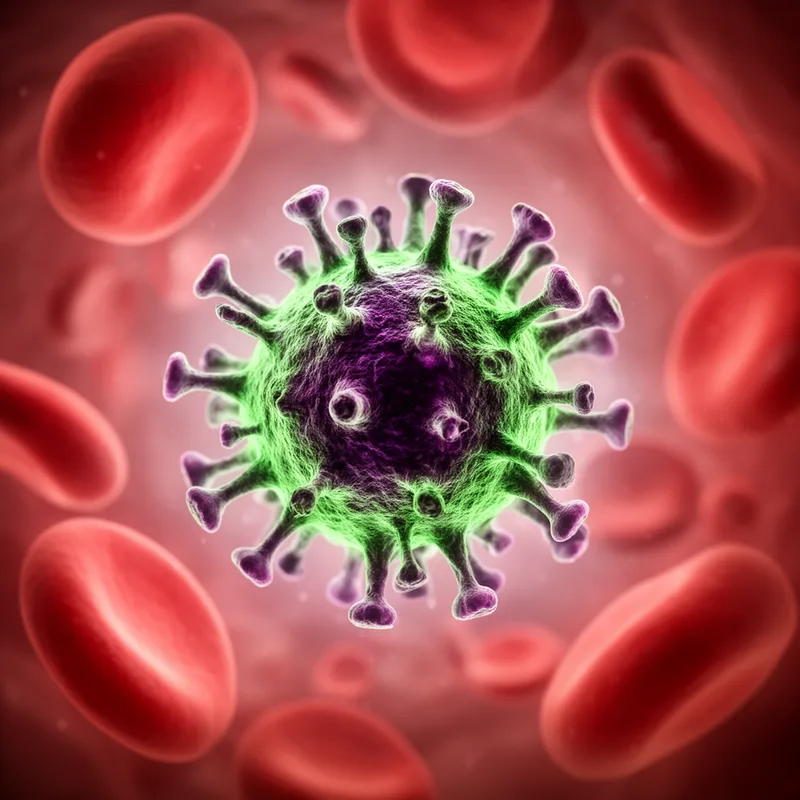
pathogen
 50
5.7
50
5.7

- noun
- /ˈpæθəˌdʒɛn/
- Specialized
 :
patógeno
:
patógeno
- One of our pathogen sniffers in the building's ventilation system picked up traces of the ID-7 virus.
- foodborne pathogens
- pathogen reduction
- pathogen transmission
Are there pathogens like E coli, Salmonella?
- Are there pathogens like E coli, Salmonella?
- What we do have are multiple cases of leaks of pathogens from labs studying them.
- We could have a pathogen that we don't really know how to cure.
- It's about the terrain that the pathogen is invading.
- It's meant to, you know, it's meant to kill off pathogens and so good or bad, it will kill.
- EPP only applies to agents that are known human pathogens of of pandemic potential.
- And whenever you inject anything, there's a chance that you introduce pathogens through the skin.
- So that is really the incubator in which these important pathogens are emerging.
Examples
-
So far, such attention has been applied only to pathogens that pose a direct threat to human health.
Academic text (2011) -
Disease reflects interactions among a susceptible host, a virulent pathogen, and environmental conditions that support the pathogen.
Academic text (2011) -
And like any good pathogen, it appears to have found a carrier.
-
You could be carrying some kind of alien pathogen.
-
We could have a pathogen that we don't really know how to cure.
-
This microorganism can be the most destructive pathogen ever observed.
-
Outside the quarantine zone, a new airborne pathogen has killed 27 people.
-
The body can normally distinguish between pathogens and harmless substances.
Academic text (2011) -
And it turns out that insects and molds are two important pathogens on plants.
-
A new airborne pathogen emerged, causing widespread illness among the population.
Synonyms
 138
1.0
138
1.0
A tiny living thing that can make people ill
 110
4.6
110
4.6
A tiny germ that can make people ill
 5
4.2
5
4.2
A tiny living thing like a virus or bacterium that can make people and animals sick


 1
5.1
1
5.1
A very small thing, living or not, that can make people sick
How Pathogenic
- Specialized
2
6.5

- Specialized
50
5.7
- Specialized
2
4.9
- Specialized
1
9.9
Surface Forms
Morphology
pathogen = patho + gen
The elements are Greek combining forms ('patho-' meaning disease, '-gen' meaning producer) that are not standalone English words, so learners cannot reliably derive the meaning from familiar English bases.
Etymology
Pathogen comes from Greek parts patho- 'suffering, disease' and -gen 'to produce'. So a pathogen is literally a 'producer of disease', which is why we use the word for viruses and bacteria that cause illness.