
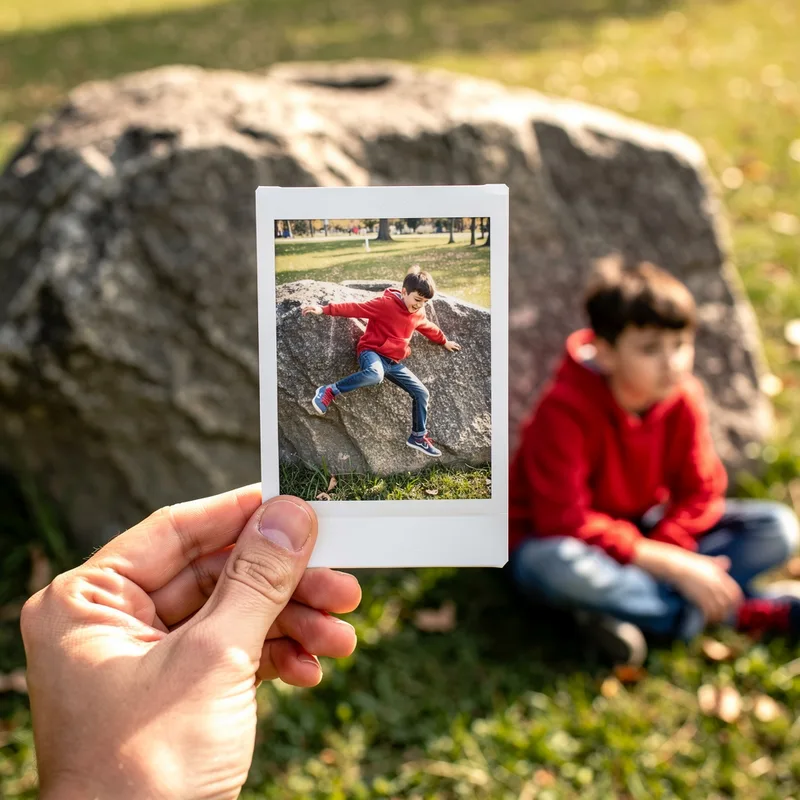
past
 31
1.0
31
1.0

- noun
- /pæst/
- Specialized
- We've been walking towards this place for the past half an hour.
- simple past
- past tense
- verb in the past
Examples
-
It's our past, it's part of our culture actually.
-
A common argument against writing groups is that authors of the past didn't need them.
Academic text (2009) -
How do you let go of the past to gain confidence moving forward?
-
It's the same size as it's been for the past several years.
-
Today, as in the past, modern Japanese think of travel in close connection with good eating.
Academic text (1994) -
The past is a ghost, the future a dream.
-
To begin with, your methods of dating the past are crude to say the least.
-
Now, is dealing with the colonial past a must for all museums?
Academic text (2008) -
Many of Kappos' early efforts have involved making a clear break with the past, especially the most recent past.
Academic text (2010) -
The past is often filled with lessons that shape our present decisions.
Synonyms
 15
1.0
15
1.0
A verb form that shows an action or state happened before now
 1
1.6
1
1.6
A verb form that shows an action finished in the past

A verb form that shows an action or state happened and finished in the past
Antonyms

Idioms



- Informal
To think about things beyond your own immediate needs
Compounds

- Specialized
1
2.7
A verb form that shows a finished action and is used with have or in passive sentences

- Specialized
1
3.0
A verb tense that shows an action happened before another past action or time



- Specialized
A verb form for an action that finished before another past action

- Specialized
A verb form that shows an action happening at a certain time in the past

- Specialized
Shows an action that was happening at a certain time in the past

- Specialized
A verb form that shows an action or state happened and finished in the past

- Specialized
An ending or small change to a verb that shows it happened before now
Surface Forms
Etymology
The grammatical word past comes from the verb pass, the idea of something that has 'gone by', so the past tense shows actions that happened and finished 'before' now.