

to pass off
- phrasal verb
- /pæs ɔf/
Examples
-
Zanny was standing at a pine table that held small plates of thinly sliced tomatoes, grated cheese, and some other unidentifiable substances that Liberty feared would be passed off as food.
Fiction book (1993) -
As the perfume wafted through the room, a sweet scent passed off from the flowers on the table.
-
When the gas leak occurred, a faint odor passed off, unnoticed by most people in the building.
-
The freshly baked bread passed off a warm aroma that filled the entire kitchen.
Synonyms

 91
4.4
91
4.4

Send out light, heat, sound or gas
 60
6.5
60
6.5
To come out from a source, like a smell, sound, or feeling
 57
2.6
57
2.6
To send out something like a smell, light, or heat
 5
5.9
5
5.9
To let gas out from your bottom
 1
6.5
1
6.5
To let gas from inside your body out through your bottom
 1
4.6
1
4.6
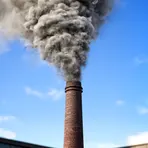
To give off visible smoke or gas from something
How Noticeable

Surface Forms
Morphology
pass + off
The particle verb 'pass off' conveys a sense of moving something 'off' or away from importance, which gives learners a partial clue from the constituents ('pass' = move/transfer, 'off' = away). However, the specific pragmatic sense of treating something as unimportant or presenting it falsely is idiomatic and not fully predictable from the literal meanings, so a B1 learner who only knows the base words may not reliably infer the exact meaning.
Etymology
Pass off here is like something leaving the body or a place and going 'off' into the air, often quietly and without notice. That's why it means 'to release' gas or a bad smell without anyone noticing.