

to neutralize
 19
5.8
19
5.8

- verb
- /ˈnjuːtrəˌlaɪz/
- Specialized
- To neutralize an acid, you can add a base, which will create a safe chemical reaction.
- neutralize acids
- neutralize static charges
- neutralizing antibodies
Loading YouTube…
Watch on YouTubeIt acts like a toxin sponge and a toxin magnet, and it can even neutralize acids.
- It acts like a toxin sponge and a toxin magnet, and it can even neutralize acids.
Examples
-
The lime neutralizes unwanted organic acids and forms an insoluble complex with phosphates.
Academic text (2003) -
They got an aqueous solution that neutralizes acid.
-
OK, guys, when an acid combines with a base, they neutralize each other.
-
Or you can use vinegar to neutralize the burn.
-
The NA plus ions neutralize these OH negative ions over here.
-
Vitamin C is supposed to neutralize the nitrates or something.
-
So here the base is reacting with the acid and trying to neutralize the pH.
-
The compound then neutralizes them before they can attack and corrode sensitive materials.
Academic text (1998) -
A crate of antacids-- alka-seltzer-- anything alkaline will neutralize the acid.
-
Rescue stations at campgrounds and beaches stock jugs of vinegar, which can help neutralize jellyfish venom.
Academic text (2011)
Synonyms
 9
7.0
9
7.0
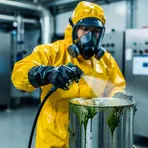
To remove harmful substances from a place or thing to make it safe
 2
5.4
2
5.4
To remove harmful substances from something to make it safe


 1
8.4
1
8.4
To remove dangerous substances from people, equipment, or areas

Take harmful substances out of something to make it safe

To remove acid from something, especially old paper or wine, to stop damage
Antonyms

Phrasal Verbs

How Neutral
- Specialized
19
5.8
 63
3.9
63
3.9
Surface Forms
Morphology
Etymology
Neutralize comes from the Latin word neuter, which means 'neither of the two', and it is the same root as English neutral. So to neutralize an acid is to make it 'neither' acid nor base, and thus less harmful.