
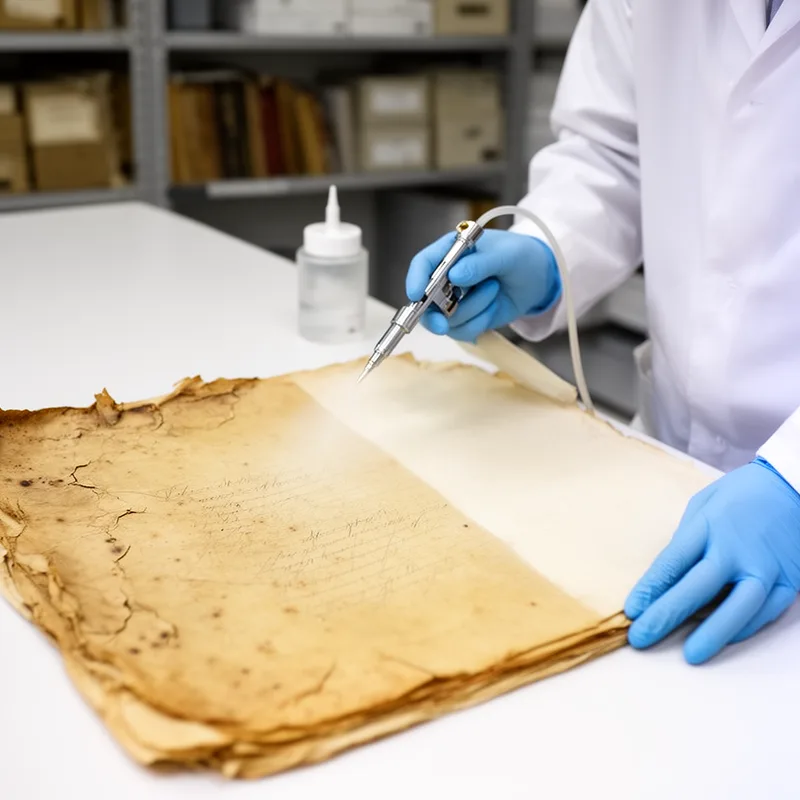
to deacidify
- verb
- /diːˈæsɪdɪfaɪ/
- Specialized
- Technicians regularly deacidify museum artifacts to prevent long-term damage.
Examples
-
Special chemicals are used to deacidify old paper documents in archives.
-
The process to deacidify wine helps improve its taste and stability.
-
We need to deacidify the documents.
-
They deacidified the wine to improve its taste.
-
To prolong the life of your old photographs, you should deacidify the paper using a special treatment.
-
Restorers often use chemicals to deacidify artworks and prevent further damage from acidic materials.
-
Libraries employ methods to deacidify their collection of rare books, ensuring they can be preserved for future readers.
Synonyms

 19
5.8
19
5.8

To make an acid or other chemical safe by a reaction
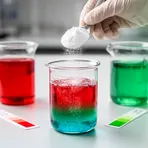
To make water or soil less acidic
Antonyms

How Neutral


Surface Forms
Morphology
Etymology
Deacidify comes from three parts: de- meaning 'remove', like in defrost, acid meaning 'acid', and -ify meaning 'make', like in simplify. So to deacidify something is to 'make it free of acid', for example removing acid from old paper or wine to prevent damage.