

neurolysis
- noun
- /nʊəˈrɑːlɪsɪs/
- Specialized
- After the neurolysis procedure, the patient reported significant relief from pain that had persisted for years.
Examples
-
The doctor explained that neurolysis could restore function by targeting the affected nerve.
-
Exploration and neurolysis are only indicated in patients who have no improvement on clinical examination and/or electromyography at 5 to 6 months following injury.
Academic text (2006) -
Neurolysis is often performed on patients suffering from chronic pain to help alleviate their neurolysis.
Synonyms
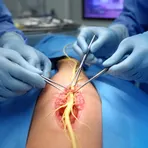
A surgery that removes all or part of a nerve

The removal of a nerve by surgery

Loss of nerve connection to a part of the body that reduces feeling or movement
How Destructive
- Specialized
 2
8.3
2
8.3


- Specialized
- Specialized
- Specialized
Surface Forms
Morphology
Etymology
Neurolysis comes from neuro- meaning 'nerve' and -lysis meaning 'loosening' or 'breaking down', the same -lysis you see in dialysis. So, in medicine it can mean the deliberate 'breaking down' or removal of nerve tissue to relieve pain.