
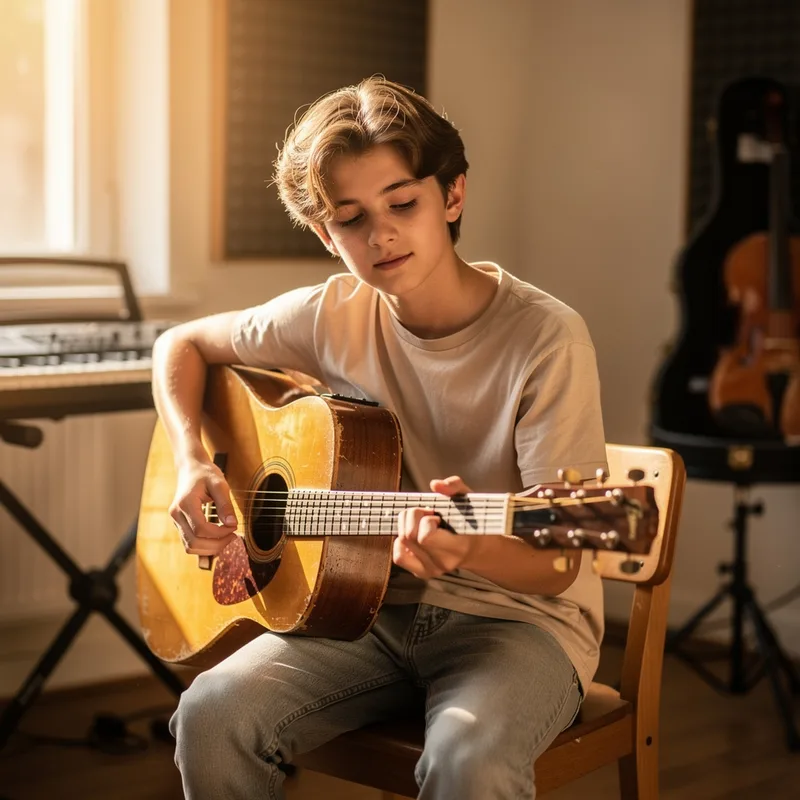
musical
 190
2.2
190
2.2

- adjective
- /ˈmjuːzɪkəl/
- Teachers might ask students to write about their musical backgrounds, skills, preferences, and experiences.
- musical skills
- musical ability
- musical training
Loading YouTube…
Watch on YouTubeBut I've got to say, you are musical, Mar my, aren't you?
- But I've got to say, you are musical, Mar my, aren't you?
- Pharrell and Chad, in my opinion, are musical geniuses.
- So, you know, Mentally has great musical talent.
- So they get, they lost some prefrontal cortex and they have these spontaneous, emergent musical virtuosos.
- Other people have great musical talents.
- Oh, it just, you know, I just look, I'm, I have the luxury of having no musical ability, right?
- Yeah, We got musical abilities for words, man.
Examples
-
The general music teacher's job includes opening as many musical doors as possible for students.
Academic text (2012) -
Music ensembles provide an excellent opportunity for musical development as well as socialization.
Academic text (2015) -
Students with low confidence in their own musical ability are less likely to value music.
Academic text (2011) -
Every choral teacher must decide what musical skills are important to ensure student success.
Academic text (2013) -
Music educators can nurture students' lifelong musical involvement, both as consumers and as participants.
Academic text (2011) -
Many educators view music teaching as helping students acquire musical skills in an ever-increasing spiral of difficulty.
Academic text (2015) -
She has a musical talent that allows her to play almost any instrument she picks up.
-
His musical interests led him to explore various genres and attend many concerts.
-
Growing up in a musical family, he naturally developed a passion for singing and songwriting.
Synonyms

Showing musical skill and good taste when playing music
Antonyms


Compounds


- Specialized
5
3.7
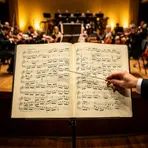
Written music that shows all the parts for singers and instruments on separate lines






- Specialized
1
3.2
A set of notes ordered from low to high that form a basic pattern for melodies


 1
5.4
1
5.4
A type of opera where music and story are equally important and the music follows the action
- Formal
1
7.5
An evening gathering where people listen to live music in a home or small room

- Specialized
An advanced university degree for people who perform, write, or conduct music

A device that makes musical sounds using electricity, like a synthesizer or keyboard

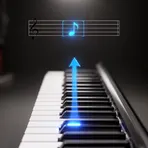
- Specialized
The gap between two notes where the higher sounds like the same note at a higher pitch
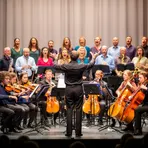
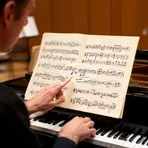
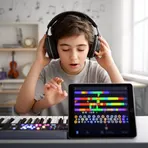
- Specialized
The ability to hear and understand musical sounds like pitch and rhythm


- Specialized
A way for electronic instruments and computers to send musical data to each other


- Specialized
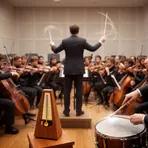
A pattern of eight notes that gives a piece of Western music its typical sound
- Specialized
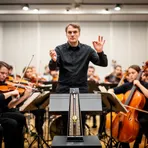
A regular pattern of beats in a song or dance that gives music its timing
- Specialized
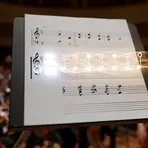
A symbol in written music that shows how many beats are in each measure and which note gets one beat
How Musical

Surface Forms
Morphology
Etymology
Musical comes from music plus -al meaning 'relating to'. Think of the Muses who 'inspire' artists; to call a person musical is to say they are naturally good with music or strongly drawn to it.