
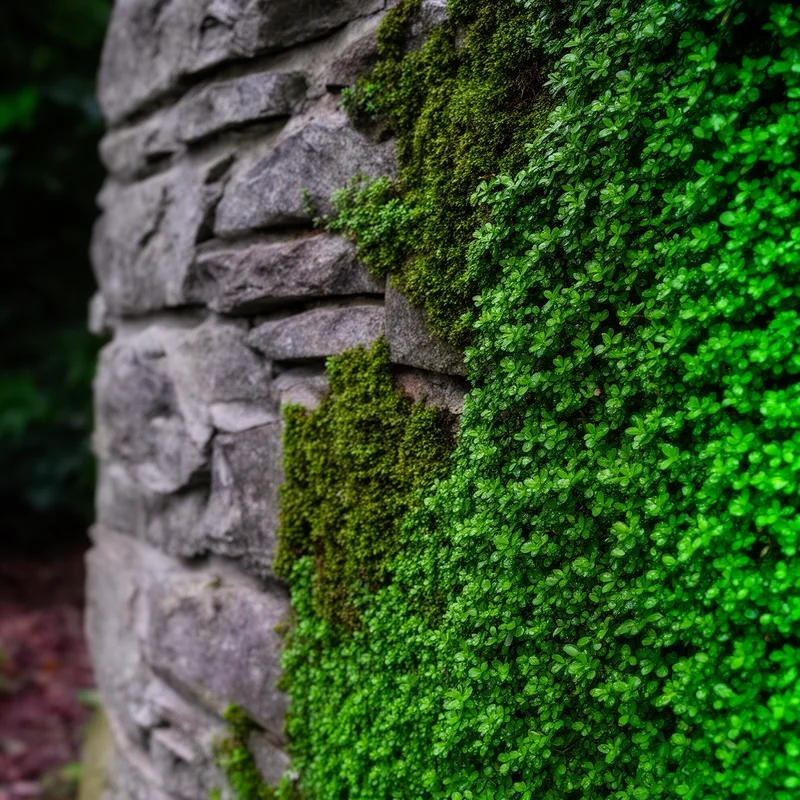
to moss
- verb
- /mɔs/
- The stones moss beautifully in the damp forest.
- beginning to moss
Examples
-
The roof was slowly mossing, giving the cottage a green, aged appearance.
-
If you leave the path untouched, it will start mossing in the damp climate.
-
The old stone wall began mossing after years of rain and shade.
-
Over the years, the old wall has mossed significantly.
-
The old stone wall began to moss as the years passed, creating a green carpet of life.
-
Over time, the abandoned building would moss over, making it blend with the surrounding forest.
-
As the weather changed, the rocks in the shaded garden started to moss beautifully.
Compounds




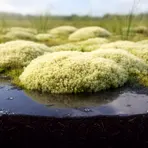
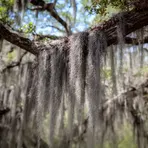
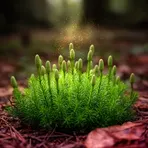
- Specialized
An evergreen plant that looks like moss and makes tiny spores in club-shaped cones
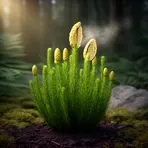
- Specialized
An evergreen plant that looks like moss and has small cones that contain spores
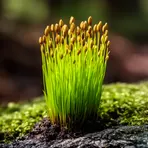
- Specialized
A moss that grows upright with its spore case at the top of the main stem
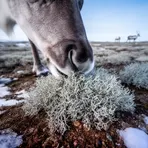
- UK
A greyish branching plantlike growth in Arctic tundra that is a main food for reindeer and caribou

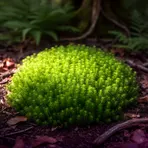
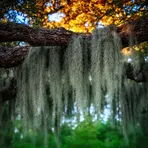


- Specialized
A small water animal that lives in groups attached to rocks and has a ring of tentacles used for feeding
- Specialized
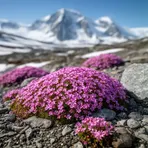
A small low plant with pink or purple flowers that grows in tight mats on cold mountains


- US
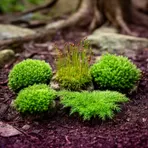
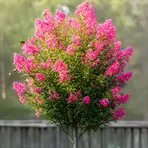
A low, spreading evergreen plant with small pink or white flowers used to cover the ground


- Archaic
A person who attacks and steals from people in border bogs between England and Scotland in the 1600s
- Specialized
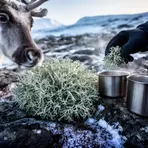
A lichen with flat, branched parts that grows in cold, rocky places and is eaten or used as medicine


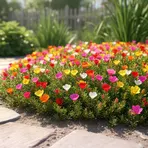
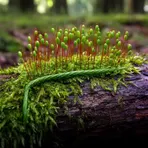
- Specialized
A moss that has its reproductive parts on short side branches, not the main stem
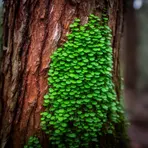
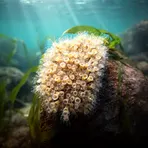
- Specialized
A small animal that lives attached to rocks or seaweed and forms moss-like groups with tiny tentacles

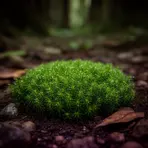
- Specialized
A small plant like moss that grows close to the ground in damp, shady places
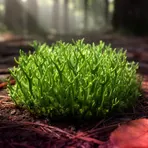
- Specialized
A low green plant with many branching stems that look like small antlers
Surface Forms
Etymology
The verb moss comes from the same old English mos meaning 'bog' or 'peat', and it keeps the idea of slow wet growth. So to moss is to slowly become covered by that green plant, as walls or paths do over time.