

mischief-making
 1
6.0
1
6.0

- noun
- /ˈmɪsʧɪfˌmeɪkɪŋ/
- His mischief-making at the party led to several humorous misunderstandings among the guests.
Loading YouTube…
Watch on YouTubeFor a long time, Pepe was just the icon for trolling, the icon for that kind of duplicitous online maneuvering, mischief making.
- For a long time, Pepe was just the icon for trolling, the icon for that kind of duplicitous online maneuvering, mischief making.
Examples
-
"Like them, we would try to outdo each other in mischief-making.
Fiction book (1995) -
She's nothing but a spiteful, mischief-making old cat!
-
In the darkest depths of the night, a troupe of mischief-making monsters visits planet Earth for a quick tour around Austin, Texas.
Blog text (22) -
Any upcoming and aspiring officer should take note: if you commit mischief, don't expect taxpayer money to cover your rear when you retire; you are on your own. What better incentive to prevent mischief-making?
Blog text (1) -
The children were always engaged in mischief-making, playing pranks on their unsuspecting neighbors.
-
She was known for her mischief-making ways, often causing trouble but always with a smile.
Synonyms
 202
3.2
202
3.2
A playful trick done to make people laugh, often at another person
 103
3.2
103
3.2
To do things that make problems for other people
 52
8.6
52
8.6
A playful or dishonest trick that causes trouble
 34
2.7
34
2.7
Naughty actions often done by children that annoy people or cause small harm
 3
4.5
3
4.5
Actions done on purpose that cause problems or mischief
 3
3.5
3
3.5
To act in a careless, playful way instead of doing something important
 2
8.4
2
8.4
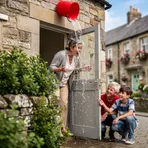
Noisy, wild actions that cause trouble or excitement
 1
8.8
1
8.8
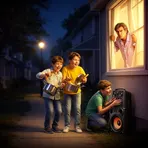
Behaviour that harms people or tricks them, sometimes as a prank
 1
9.7
1
9.7
Bad behavior meant to annoy or hurt people
 1
7.9
1
7.9
Playful mischief that teases or annoys other people
 1
4.6
1
4.6
Playful actions that cause small harmless trouble for fun


 1
8.8
1
8.8
Playful but sometimes dishonest behavior that annoys people
 1
8.1
1
8.1
Playful or dishonest behavior that tricks people
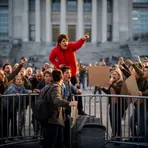
Encouraging people to cause trouble or public anger

A playful habit of doing mischief or telling small lies that amuses people

A liking for doing playful, slightly naughty tricks on other people
Antonyms

How Harmful

Surface Forms
Morphology
Etymology
Mischief-making comes from mischief, which began as an old French idea meaning 'bad luck', and it uses the same mis- you see in mistake to show something wrong. So mischief-making is literally 'making trouble', which explains why it means behaving to cause trouble, annoyance, or harm to others.