
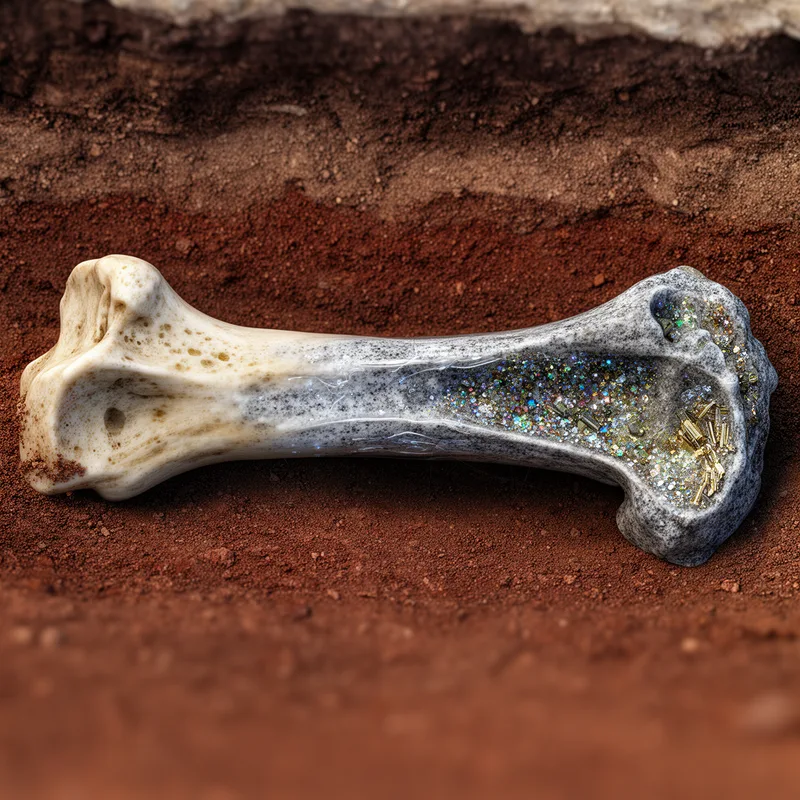
mineralization
- noun
- /ˌmɪnəˌrəlɪˈzeɪʃən/
- Specialized
- Scientists study mineralization to understand how ancient plants and animals became fossils.
Examples
-
Rapid mineralization can turn wood into stone, creating beautiful petrified forests.
-
Fossils are formed through the process of mineralization.
-
The mineralization of bones can preserve their shape for millions of years.
-
The mineralization of the dinosaur bones took millions of years.
-
The mineralization of bones can preserve their shape for millions of years.
-
Fossils are formed through the process of mineralization.
-
Scientists study mineralization to understand how ancient plants and animals became fossils.
Synonyms
 1
9.8
1
9.8

A process where wood or other plants slowly turn into stone while keeping their shape


 1
6.8
1
6.8
The slow change of a dead plant or animal into rock over many years
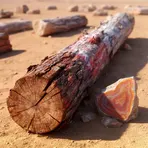
A process that turns trees into stone, or a tree turned into stone

Natural changes that turn dead plants or animals into rock-like remains
How Complete

Surface Forms
Morphology
mineralization = mineralize (semi-transparent) = mineral + ize + ation
The morphological formation is regular, but the paleontological sense (minerals replacing tissues) is specialized and may not be clear to general learners.
Etymology
Mineralization comes from the word mineral, meaning 'from a mine' or 'rock'. This helps remember the fossil meaning: minerals slowly fill or replace the parts of dead plants and animals and turn them to stone, which is why mineralization can make fossils.