

fossilization process
- noun
- /ˌfɑːsɪlaɪˈzeɪʃən ˈprɑːsɛs/
- Specialized
- Understanding the fossilization process helps paleontologists reconstruct prehistoric environments.
Examples
-
Scientists study the fossilization process to learn how organisms were preserved over millions of years.
-
The fossilization process can preserve bones, shells, and even traces of ancient plants.
-
The fossilization process can take thousands of years.
-
Understanding the fossilization process is crucial for paleontologists.
-
The fossilization process can take thousands of years, transforming organic material into stone.
-
Understanding the fossilization process helps paleontologists determine how ancient organisms lived.
-
Each step of the fossilization process reveals critical information about the environment of the past.
Synonyms


 1
6.8
1
6.8
The slow change of a dead plant or animal into rock over many years
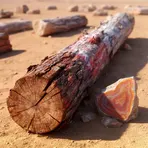
A process that turns trees into stone, or a tree turned into stone
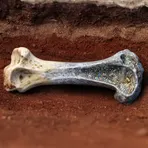
A process where minerals replace parts of dead animals or plants and keep their shape
Antonyms


- Specialized
23
5.3
Breaking dead plants and animals into simpler material by bacteria and fungi
How Complete

Surface Forms
Morphology
The meaning 'the series of natural changes through which remains become a fossil' is directly and predictably derived from combining 'fossilization' (turning an organism into a fossil) with 'process' (a sequence of steps or changes). This noun+noun composition follows a common compositional pattern found across languages, so a B1 learner who knows both constituents will readily understand the phrase.
Etymology
The noun fossilization process comes from the simple image of a dead animal or plant being covered by mud or sand and slowly turning into stone. Fossilization is the change and process is the series of steps, so it means 'the changes that turn remains into a fossil'.