

melt
 37
1.0
37
1.0

- noun
- /mɛlt/
- This is the cumulative height change of melt.
- snow melt
- ice melt
- melt water
Examples
-
Catchment F had the lowest difference in melt-out timing across all years, with an average of 11 days.
Academic text (2016) -
But his inspiration came from watching solder melt when it was pressed against a soldering iron.
Academic text (2005) -
There was something in the melt water.
-
The glacier melt was only a part of it.
-
The other reason is that the bulk of delayed snow melt typically occurs during the spring months.
Academic text (1996) -
The Arctic has always experienced cooling and warming, but the current melt defies any historical comparison.
Academic text (2008) -
The long-chain hydrocarbons in paraffin or beeswax melt and, in liquid form, get pulled up the wick where they burn in a slow, controlled fashion.
-
The melt from the glacier caused the river to swell significantly in volume.
-
Scientists are studying the impact of glacier melt on sea level rise.
-
Recent data shows that the melt of polar ice is accelerating due to climate change.
Synonyms
 72
1.1
72
1.1
A process where a solid turns into a liquid because of heat
 12
2.0
12
2.0
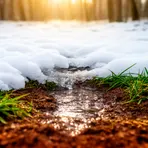
A period when snow and ice melt because the weather is warmer
 5
2.9
5
2.9
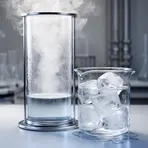
Frozen things gradually become liquid or soft because they get warmer
 1
7.5
1
7.5
To change a solid or gas into a liquid
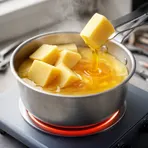
Turning a solid into a liquid by melting
Antonyms

Idioms



Compounds

How Liquid

Surface Forms
Etymology
Melt comes from the old English verb meltan, which meant 'to become soft and flow'. So a melt is the change when something hard turns into a soft liquid.