

liquation
- noun
- /lɪkˈweɪʃən/
- Specialized
- The controlled liquation of the wax allowed the artist to pour smooth casts.
Examples
-
The scientist studied the liquation of ice under varying pressure conditions.
-
During the liquation, the solid metal transformed into a liquid state.
-
During the refining process, liquation separates metals by melting them at different temperatures.
-
The liquation of ice occurs when it melts.
-
The controlled liquation of the wax allowed the artist to pour smooth casts.
-
During the refining process, liquation separates metals by melting them at different temperatures.
-
During the liquation, the solid metal transformed into a liquid state.
Synonyms

 37
1.0
37
1.0

The change from a solid to a liquid when heated
 5
2.9
5
2.9
Frozen things gradually become liquid or soft because they get warmer
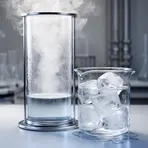 1
7.5
1
7.5
To change a solid or gas into a liquid
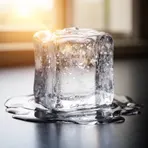
Becoming liquid because of heat
How Liquid

Surface Forms
Morphology
Etymology
Liquation comes from the Latin root liqu- meaning 'liquid' or 'to melt', the same root as in liquid. So liquation means the process of becoming liquid or of making something melt.