

mastodont


 1
9.9
- noun
- /ˈmæstəˌdɑnt/
- The mastodont is known for its distinct molar teeth, which differ from those of other prehistoric elephants.
Examples
-
Scientists believe the mastodont went extinct due to climate change and human activity.
-
Unlike the mammoth, the mastodont had cusp-shaped molars suited for browsing.
-
Fossils of the mastodont have been unearthed in North America and Europe.
-
The mastodont roamed the earth millions of years ago.
-
Did you know that mastodonts are closely related to modern elephants?
-
A herd of mastodonts roamed the ancient landscape during the Pleistocene epoch.
-
Scientists discovered fossilized remains of a mastodont in a remote area of North America.
Synonyms
 7
9.3
A large extinct animal like an elephant with pointed teeth
 7
9.9
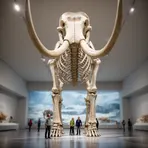
A large extinct animal like an elephant with long tusks that lived long ago
 1
9.9
A very large animal like an elephant that lived long ago and is now extinct
Compounds

A large extinct animal like an elephant with long tusks that lived in North America during the Ice Age
Surface Forms
Etymology
The word mastodont comes from Greek parts masto- meaning 'breast' and -dont meaning 'tooth', because its back teeth had rounded, nipple-like bumps. That's why the name fits this extinct, elephant-like animal known for those unusual teeth.