
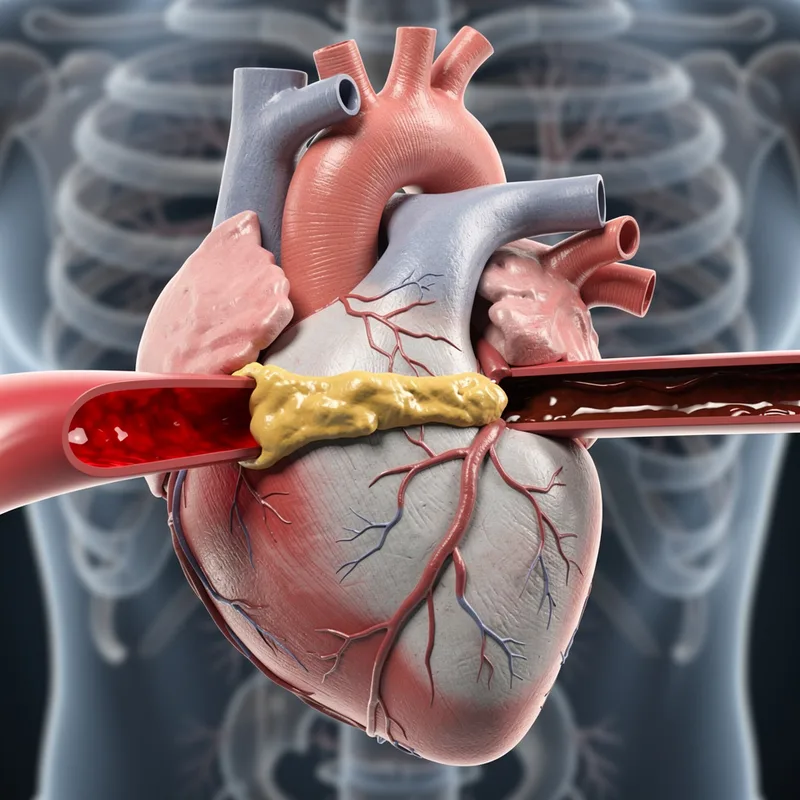
ischemic
 5
8.4
5
8.4

- adjective
- /ɪsˈkiːmɪk/
- Specialized
- Two of the skin grafts became ischemic and required a second treatment, as did two auricular hematomas.
- ischemic stroke
- ischemic heart
- ischemic heart disease
Loading YouTube…
Watch on YouTubeBut it can improve cardiovascular health, reduce the risk of ischemic heart disease, improve glucose metabolism.
- But it can improve cardiovascular health, reduce the risk of ischemic heart disease, improve glucose metabolism.
- The less blood flow or more ischemic versions of a vein occlusion, the worse the vision and the consequences within the eye are going to be.
- So a transient ischemic attack or Tia is a reversible stroke.
Examples
-
Symptoms of an ischemic stroke often include sudden weakness on one side of the body.
-
Rapid suppression of local infection is important in treating infected ischemic foot ulcers.
Academic text (2000) -
Those brain cells therefore become ischemic and die.
-
Very little work has been reported on the analysis of sweat under ischemic conditions.
Academic text (1993) -
However, other causes of ischemic stroke at this age could not be excluded.
Academic text (2007) -
It was an ischemic stroke.
-
Moreover, higher fruit and vegetable intake is found to have a lower risk for ischemic stroke.
Academic text (2008) -
A transient ischemic attack, that's what it was.
-
Our estimated HR of 1.30 for ischemic heart disease is well within this uncertainty distribution.
Academic text (2012) -
Thromboembolic events may also occur, leading to transient ischemic attack or cerebrovascular accident.
Academic text (2007)
Synonyms
 2
9.3
2
9.3
Without oxygen so living things cannot breathe

Having very low oxygen in the blood
Compounds
- Specialized
1
5.7
A brief time when part of the brain gets too little blood, causing sudden weakness or vision loss
- Specialized
1
5.1
A stroke caused by a blood clot that stops blood flow to the brain

- Specialized
Lack of oxygen in parts of the body because blood flow is stopped or very slow

- Specialized
A lack of oxygen in body parts because not enough blood reaches them
How Severe
- Specialized
4
9.1

- Specialized
5
8.4
- Specialized
49
4.4
∞
1.0
Surface Forms
Morphology
Etymology
Ischemic comes from Greek roots isch- meaning 'to hold back' and haima meaning 'blood'. So ischemic literally means 'blood held back', which is a simple way to remember it describes tissue that is not getting enough blood and oxygen.