
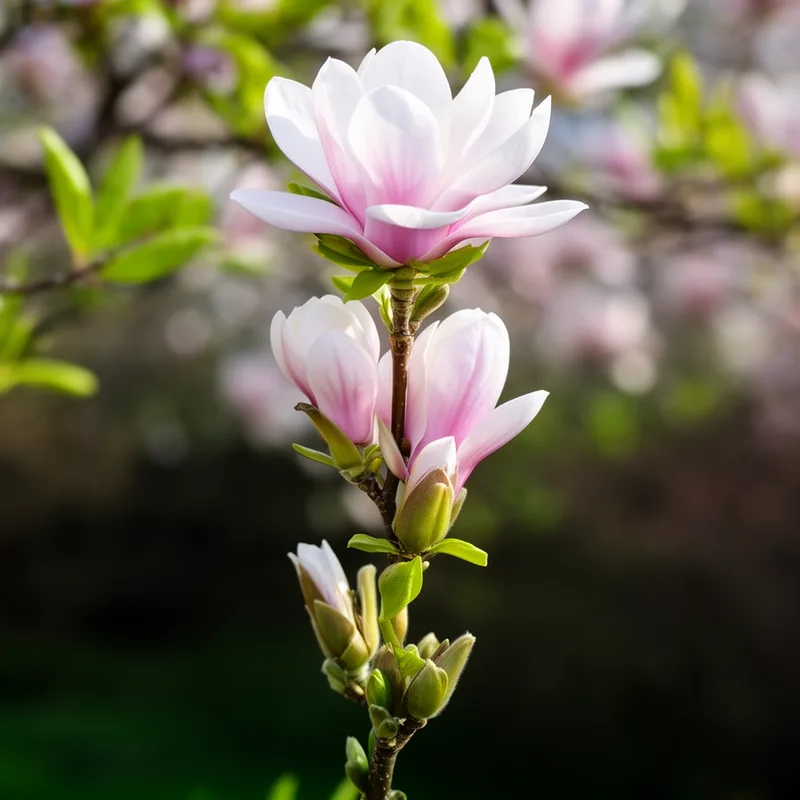
inflorescence
- noun
- /ˌɪnfləˈrɛsəns/
- Specialized
- In dioecious figs (not illustrated), two types of inflorescence are borne on different plants.
Examples
-
Observing the inflorescence on the cherry tree, we noted how the blossoms opened in succession, creating a stunning display.
-
The inflorescence of the sunflower is known for its vibrant yellow petals that attract pollinators.
-
During spring, the inflorescence of the plant bursts forth with bright flowers, signaling the arrival of warmer weather.
Synonyms

 52
1.0
52
1.0

A flower on a plant or the time when a plant makes flowers
 15
2.0
15
2.0
The time when a plant makes many blossoms
 4
2.5
4
2.5
A time when flowers open and plants become full of blooms
 1
1.8
1
1.8
The time when a plant produces flowers

 1
8.4
1
8.4
Time when many flowers bloom on a plant or in a garden
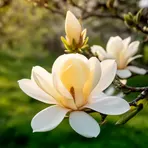
The time when a flower opens and its petals unfold
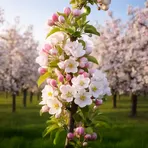
The time when flowers open and bloom
Antonyms

How Bloomed
6
3.0

- Specialized
15
2.0
- Specialized
1
1.0
Surface Forms
Morphology
inflorescence = florescence (opaque) = in + flor + escence
Although related to 'florescence', the Latin-style prefix does not give a meaning that a typical learner could reliably use to infer this specialized botanical sense.
Etymology
The word inflorescence comes from the Latin parts in- 'into' and flor- 'flower', and it literally means 'coming into flower'. So it names the period and process when a plant 'begins to bloom' and its flowers open.