
florescence


 1
8.4
1
8.4
- noun
- /flɔˈrɛsəns/
- Specialized
- The "florescence of ritualism" among the Hurons that accompanied the epidemics and the interest shown by shamans in measuring the rate of success of their newly created curing rituals were certainly responses to the epidemics.
Examples
-
Archaeologist Marija Gimbutas coined the term "Old Europe" to refer to the pre-Indo-European agrarian cultures in east-central Europe that reached a florescence during the fifth millennium B.C.
Academic text (2000) -
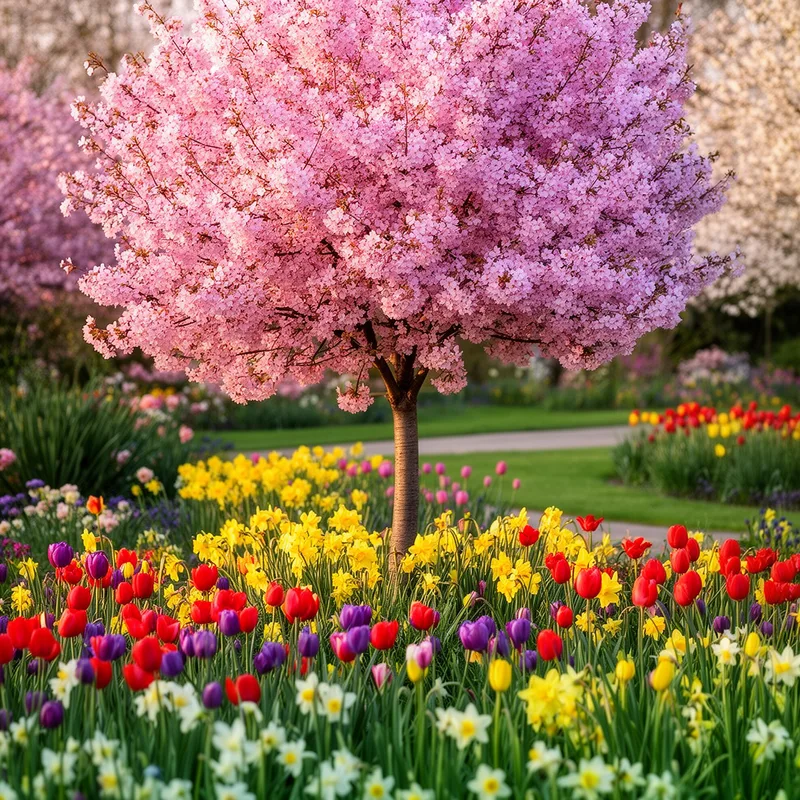
The garden was vibrant and colorful during the florescence of spring when all the flowers began to bloom.
-
For me, the most exciting development for both fields is the florescence of internationally visible Asian and African contemporary art.
Academic text (2004) -
Oba Eresoyen's reign brought a florescence of the arts.
Academic text (1993) -
It produced, as we all know, the most extraordinary scholarly florescence that has occurred to date.
Academic text (1994) -
He's the last survivor of the second generation of that miraculous florescence called the Haitian Renaissance.
Academic text (2004) -
The florescence of systematic taxonomic thinking in the West may be traced to Renaissance developments in science (Foucault 1973:54).
Academic text (1991) -
Their adoption of pueblo architecture stemmed from their long experience in masonry building, he says, and new ceramic styles came to them thanks to a regional cultural florescence that spread new ideas throughout the Southwest.
Academic text (2004) -
This stimulated a florescence of new styles in San Martin in particular because of Isidoro Cruz's connections with state bureaucracies promoting artisanry.
Academic text (2000) -
As evidenced by the florescence in the last decade of archaeology-based books, teacher manuals, resource guides, electronic media, and classroom activities for precollegiate audiences, archaeology has found its way into the strategies of elementary and secondary teachers.
Academic text (1998)
Synonyms
 52
1.0
52
1.0
A flower on a plant or the time when a plant makes flowers
 15
2.0
15
2.0
The time when a plant makes many blossoms
 4
2.5
4
2.5
A time when flowers open and plants become full of blooms
 1
1.8
1
1.8
The time when a plant produces flowers
The time when flowers open and bloom
The time when a plant's flowers form and open
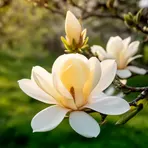
The time when a flower opens and its petals unfold
How Blooming

Surface Forms
Morphology
florescence = flor + escence
This is a learned Latin-derived formation, and the stem is not a productive modern English base, so an average B1 learner would not reliably infer 'blossoming' from the parts.
Etymology
Florescence comes from the Latin root flor- meaning 'flower', the same root in flower and floral. It means the time of 'blossoming', when plants are full of flowers.