
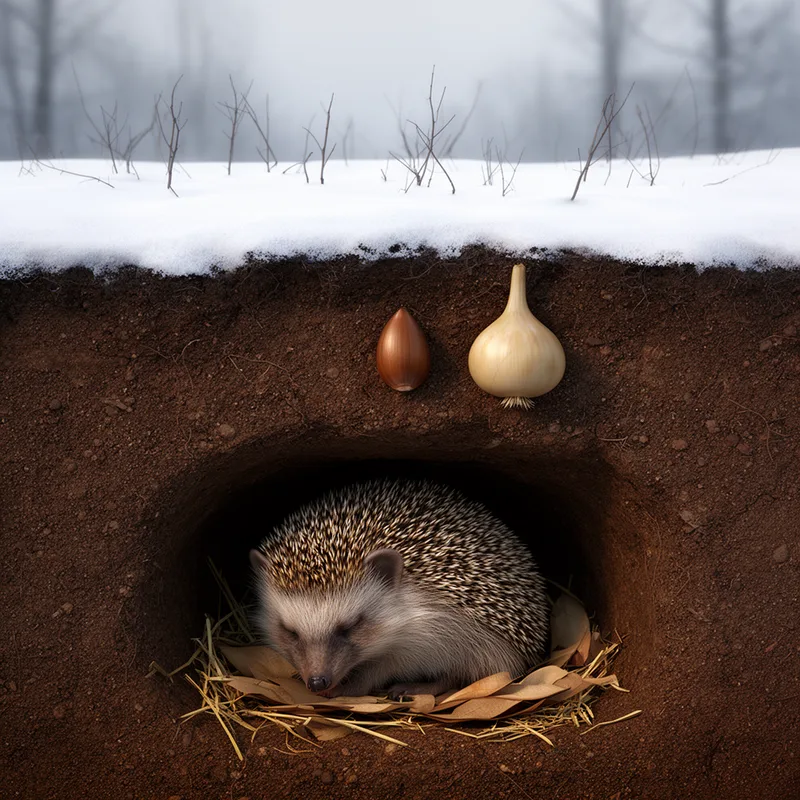
dormancy
 3
6.2
3
6.2

- noun
- /ˈdɔrmənsi/
- In the 1960s, Seattle Days at Suquamish emerged from some years of dormancy.
- period of dormancy
- state of dormancy
- break dormancy
Loading YouTube…
Watch on YouTubeNow we have an extreme problem with dormancy crops coming out of dormancy.
- Now we have an extreme problem with dormancy crops coming out of dormancy.
Examples
-
Any deciduous tree that drops its leaves in the in the fall and then comes back out of dormancy in the spring sends its energy down to its roots.
-
We'd have to figure out how it was stimulated out of dormancy.
-
Is there anything in particular that I should do to make sure the dormancy goes well?
Blog text (8) -
Seeds of several plant families exhibit the property of physical dormancy.
Academic text (1996) -
That's a period of temporary dormancy, when normal development is arrested," he explains.
Academic text (1995) -
Every organism could go into a sudden dormancy, and the heat would be sucked into the huge volumes of surrounding ice.
Fiction book (1995) -
Most grasshopper eggs spend the winter in the soil after a temperature-driven dormancy called diapause, says Fisher.
Academic text (1996) -
Sometimes a publication will become in vogue after a long dormancy—a revival of an old classic.
Academic text (2006) -
Toward late summer and fall, boll weevils in many areas enter a winter-long dormancy called diapause, says Weslaco entomologist K. Rod Summy.
Academic text (1994) -
During winter dormancy, many plants conserve energy and do not grow.
Synonyms


 1
9.8
1
9.8
A quiet time with little activity or sound

A time when a place or thing is quiet and not active
Antonyms


How Dormant

Surface Forms
Morphology
Etymology
Dormancy comes from the old Latin verb dormire, which means 'to sleep', and you can see the same root in dormitory (a place to sleep). So dormancy is like a 'sleeping' state when a plant or animal is inactive and not growing.