
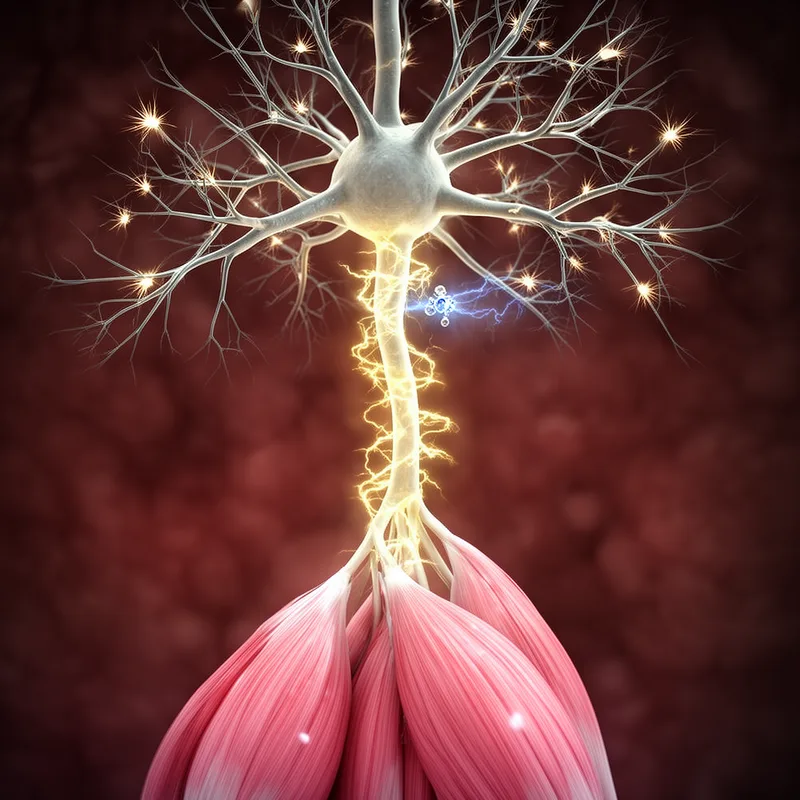
hyperexcitable
- adjective
- /ˌhaɪpərɪkˈsaɪtəbl/
- Specialized
- Spinal sensory neurons become hyperexcitable following nerve injury.
- neurons become hyperexcitable
- become hyperexcitable
Examples
-
Following injury to the nervous system, DRG neurons can become hyperexcitable, generating spontaneous action potentials or abnormal high-frequency activity that contributes to chronic pain.
Academic text (2000) -
After the surgery, her sensory nerves were hyperexcitable, causing her to feel pain from stimuli that would normally be painless.
-
The child was hyperexcitable after consuming too much sugar, reacting energetically to every little sound.
-
In patients with fibromyalgia, the central nervous system becomes hyperexcitable, leading to heightened sensitivity to pain.
Synonyms

 14
4.1
14
4.1

Quick to become excited or nervous
6
6.7
Easily affected by emotions, touch, or noise and reacting strongly
 1
6.3
1
6.3
Show too strong feelings or actions for small problems


 1
8.6
1
8.6
Very sensitive to a substance or trigger after earlier exposure
 1
6.2
1
6.2
Able to notice very small changes or weak signals

Showing a very strong reaction to things like pollen or stress

To become easily excited and react strongly to small things

Able to notice very small changes or faint signals
How Excitable
- Specialized

- Specialized
4
5.0
61
4.0
∞
1.0
20
4.7
Surface Forms
Morphology
Etymology
Hyperexcitable comes from the Greek prefix hyper- meaning 'too much' and the Latin verb excitare (seen in English as excite) meaning 'to stir up'. So, in medicine, a hyperexcitable nerve or muscle responds too easily to small signals and becomes active when it should not.