
hyperreactive
- adjective
- /ˌhaɪpərriˈæktɪv/
- Specialized
- The hyperreactive child often reacted strongly to the slightest changes in his environment, making daily routines challenging.
Examples
-
Her hyperreactive nature to stressful situations meant that she would often feel overwhelmed by minor challenges.
-
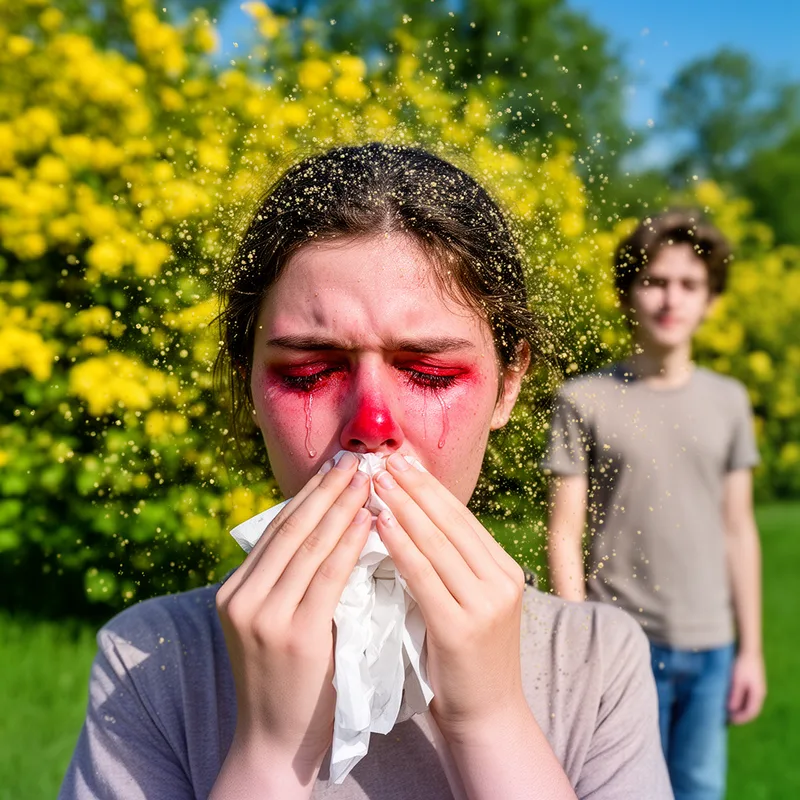
During allergy season, some people have hyperreactive responses, causing severe sneezing and watery eyes.
-
The animals are often aggressive and hyperreactive, so the students should wear gloves and the instructor should be close by.
Academic text (1996) -
These results suggest that for some children, behavioral inhibition may be a marker of underlying tendencies to be hyperreactive to novelty, causing a lower threshold for experiencing fear.
Academic text (1998)
Synonyms
 6
6.7
6
6.7

Easily affected by emotions, touch, or noise and reacting strongly
 1
7.3
1
7.3
To react strongly to small amounts of things like pollen or food, often causing allergies
 1
6.3
1
6.3
Show too strong feelings or actions for small problems


 1
8.6
1
8.6
Very sensitive to a substance or trigger after earlier exposure
 1
7.9
1
7.9
Showing very strong feelings that change quickly and seem too much

Easily excited and likely to react strongly to small sounds or activity

Very sensitive to things like allergens or medicines

To become easily excited and react strongly to small things

Very easily upset by what people say or do

Able to notice very small changes or faint signals
Antonyms

How Reactive

Surface Forms
Morphology
Etymology
Hyperreactive comes from the prefix hyper- meaning 'over' or 'too much' and the root react meaning 'to respond'. So a hyperreactive person or body responds much more strongly than normal to things like pollen, stress, or medicine.