
hypersensitive
 6
6.7
6
6.7

- adjective
- /ˌhaɪpərˈsɛnsɪtɪv/
- She is hypersensitive to loud noises, often covering her ears when the music is too loud.
- hypersensitive to criticism
Loading YouTube…
Watch on YouTubeAnd so, so basically people can become hypersensitive to the person they deeply love, both sides.
- And so, so basically people can become hypersensitive to the person they deeply love, both sides.
- And I just became really hypersensitive to emotional movement in a room as a, as a defense mechanism.
- So I wonder what came first, the hypersensitive active basal ganglia part of the brain or the experience with these beings?
- And Harry has become hypersensitive and hates the media and yet seeks approval from the media by going on Netflix or Spotify or Apple TV.
- And in fact, they may turn around and call you paranoid or hypersensitive or crazy.
- Yes, it was hypersensitive and he would try to block it out with stuff.
Examples
-
And he had a disposition that could best charitably be described as hypersensitive and obstinate.
-
When my wife was pregnant with our second child, I was stunned by how hypersensitive she became to my odor.
Blog text (10) -
And so, so basically people can become hypersensitive to the person they deeply love, both sides.
-
I'm not saying that we should be hypersensitive about everything that may be personal to us.
Blog text (29) -
And I just became really hypersensitive to emotional movement in a room as a, as a defense mechanism.
-
In my experience, religious people are indeed hypersensitive to disagreements.
Blog text (21) -
Claire was hypersensitive when she first came to Wrenwood.
-
At the same time, they are themselves hypersensitive to perceived slights.
Academic text (1990) -
So what this suggests is that adolescents are hypersensitive to to being socially excluded.
-
Once patients agree to participate, the stresses of racism endured during a lifetime may make some African Americans feel hypersensitive toward the research process.
Academic text (2005)
Synonyms
 535
2.1
535
2.1
Showing strong feelings that are easy to see
 14
4.1
14
4.1
Quick to become excited or nervous
 7
5.6
7
5.6
Easily upset by what others say or do
 1
7.3
1
7.3
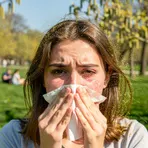
To react strongly to small amounts of things like pollen or food, often causing allergies
 1
6.3
1
6.3
Show too strong feelings or actions for small problems

 1
8.6
1
8.6
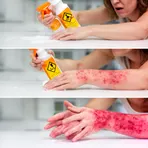
Very sensitive to a substance or trigger after earlier exposure

Showing a very strong reaction to things like pollen or stress

Able to notice very small changes or faint signals

Easily excited and likely to react strongly to small sounds or activity

To become easily excited and react strongly to small things

Very sensitive to things like allergens or medicines

Allergic to a substance and likely to have a strong reaction

Very easily upset by what people say or do
How Sensitive

Surface Forms
Morphology
Etymology
The word hypersensitive is made of hyper- 'over' and sensitive 'able to feel', the same idea as in hyperactive, which gives a clear image of being 'too easily affected'. That is why a hypersensitive person or skin is strongly moved by feelings, touch, sound, light, or criticism.