

to halt
 206
2.4
206
2.4

- verb
- /hɔlt/
- The train came to a sudden halt when it hit a fallen tree on the tracks.
- halt the project
- halt the program
- halt the construction
Loading YouTube…
Watch on YouTubeSo I have to halt and say I can't tell you.
- So I have to halt and say I can't tell you.
- Yes, that program halts, or no, it loops forever.
- And we find out what it is that has halted his his work.
- The main employers in the town have halted production due to sanctions.
- Last year, they stopped and intervened to halt a tragedy in the making.
- The hype train has halted and I'm the conductor.
- So there's no possibility in practice to halt AI development.
- And we called it up to EOD, halted operations and stuff.
- Will this program halt on this input?
- For the others, you'll at least know that they don't halt within the time you observe them.
- There are people that are losing their hair and want to halt or reverse that loss of hair.
- So my entry into the into the military was halted for a year.
- And, and eventually he he gets Pergosian to agree to, to, to halt the March.
- It's it halts the conversation and it stops the cycle.
Examples
-
Students and other citizens were allowed to disrupt and sometimes halt the normal operation of academic programs.
Academic text (1990) -
During the process, the company halted all interviews and decided not to hire anyone.
Academic text (1999) -
Will this program halt on this input?
-
There are people that are losing their hair and want to halt or reverse that loss of hair.
-
Cairo is ready to talk if Israel will halt its advance.
-
And the SEC has halted this whole scheme.
-
The main employers in the town have halted production due to sanctions.
-
A police and coast guard search operation involving a helicopter... has been halted due to fog.
-
In the end, in 2002, a special government commission permanently halted construction of the mosque.
Academic text (2008) -
Or: Theo and I are on a train that halts on the tracks for repairs.
Fiction book (1990)
Synonyms
 ∞
1.0
∞
1.0
To make something end and not continue
 ∞
3.0
∞
3.0
To stop movement, access, or progress
 909
2.5
909
2.5
To stop someone speaking or an activity
 620
3.8
620
3.8
To stop something suddenly before it is finished
 541
2.9
541
2.9
Stop a machine, business, or system from working
 346
1.0
346
1.0
Stop for a short time before continuing
 324
3.6
324
3.6
To stop or come to an end
 176
4.8
176
4.8
To stop public protest by force or by people in power
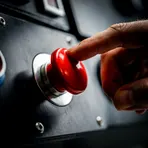 147
4.6
147
4.6
To make something stop or finish
 141
3.9
141
3.9
To stop something officially for a short time
 131
3.0
131
3.0
To make something stop completely
 104
3.7
104
3.7
Stop something from growing or spreading
 93
5.6
93
5.6
To stop a plan or activity before it finishes, often because of problems
 83
2.6
83
2.6
Stop something from working by using a switch or valve
 62
3.0
62
3.0
To end something so it no longer happens
 58
4.2
58
4.2
To stop something that is happening or being given
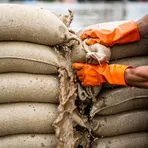 37
5.1
37
5.1
To stop a liquid flow or prevent something from spreading
 35
7.7
35
7.7
To stop a strong feeling or a crowd causing trouble
 33
3.9
33
3.9
To stop or slow the progress of something
 13
3.4
13
3.4
Stop moving or working completely
 11
4.3
11
4.3
To slow down an activity or stop it
 10
5.8
10
5.8
Slow down until it stops moving or working
 6
6.4
6
6.4
To stop a supply by blocking its source or flow
 5
7.5
5
7.5
To stop the flow of blood from a wound
 4
5.8
4
5.8
To make something stop working
 3
3.9
3
3.9
To suddenly stop moving or speaking because you are surprised
 3
8.5
3
8.5
To stop the flow of blood or other liquid


 1
3.6
1
3.6
End something completely so it does not continue
 1
9.9
1
9.9
To stop something from happening or continuing
Antonyms


Phrasal Verbs
Compounds

How Stopped
147
4.6
 324
3.6
206
2.4
36
3.9
909
2.5
346
1.0
687
1.4
324
3.6
206
2.4
36
3.9
909
2.5
346
1.0
687
1.4
Surface Forms
Etymology
The verb halt shares the old root healt, which meant 'lame', so to halt is like bringing motion to a stop, as if a limp forces you to stop walking. That's why to halt means to stop something from moving or happening.