

greenbrier
 3
9.9
3
9.9

- noun
- /ˈɡriːnˌbraɪər/
- US
- The forest was filled with greenbrier, its prickly stems climbing up the trees.
Examples
-
Woody vines include climbing hydrangea and a type of greenbrier known as bamboo vine.
Academic text (1998) -
Laurel greenbrier is a common vine.
Academic text (2010) -
Many hikers are familiar with greenbrier because it can entangle itself in the underbrush.
-
During our walk, we spotted greenbrier with its shiny leaves and small green flowers near the trail.
Synonyms
 4
8.0
4
8.0
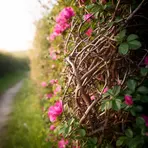
A thorny plant like a wild rose or a woody vine
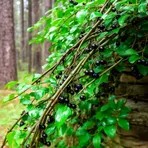
A prickly woody vine with round stems, shiny leaves, and black berries in eastern woods
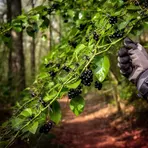
A very prickly vine with shiny round leaves and clusters of black berries you cannot eat
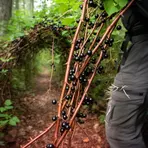
A prickly vine with hard round stems and shiny black berries that are not edible

A very prickly climbing plant with tough stems and shiny black berries not for eating
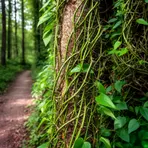
A climbing shrub or vine with prickly stems often called greenbrier
Surface Forms
Morphology
Etymology
Greenbrier comes from two simple English parts: green ('the color') and brier (an old word for a 'thorny bush'). So the name gives an easy picture — a green, thorny climbing plant — which is why it is used for the prickly vine with shiny leaves and dark berries.