

horse brier
- noun
- US
- Gardeners often avoid planting horse brier because of its tough stems and sharp thorns.
Examples
-
Clusters of black berries dangled from the horse brier vines along the trail.
-
The dense thicket of horse brier made it difficult to walk through the woods.
-
The horse brier is known for its sharp thorns.
-
Many gardeners dislike the horse brier for its invasive nature.
-
Clusters of black berries dangled from the horse brier vines along the trail.
-
Gardeners often avoid planting horse brier because of its tough stems and sharp thorns.
-
The dense thicket of horse brier made it difficult to walk through the woods.
Synonyms
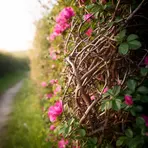
 4
8.0
4
8.0

A thorny plant like a wild rose or a woody vine
 3
9.9
3
9.9
A climbing woody plant with sharp thorns, shiny leaves, and berries you cannot eat
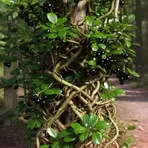
A very prickly woody vine with tough round stems, shiny leaves, and black berries

A very prickly climbing plant with tough stems and shiny black berries not for eating
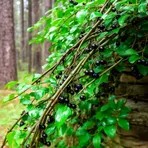
A prickly woody vine with round stems, shiny leaves, and black berries in eastern woods
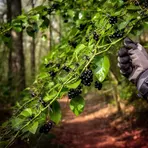
A very prickly vine with shiny round leaves and clusters of black berries you cannot eat
Surface Forms
Morphology
horse + brier
The noun is a straightforward compound: 'brier' denotes a prickly shrub and 'horse' functions as an attributive modifier, so the phrase denotes a particular kind of brier. A B1 learner who knows both words can therefore infer it names a thorny/viny plant, making the expression compositional and transparent.
Etymology
The name horse brier probably comes from the image of a tough, thorny vine that would catch a passing horse or its rider. Here, brier means 'thorny bush', so the name gives a clear picture and explains why it refers to a very prickly vine.