
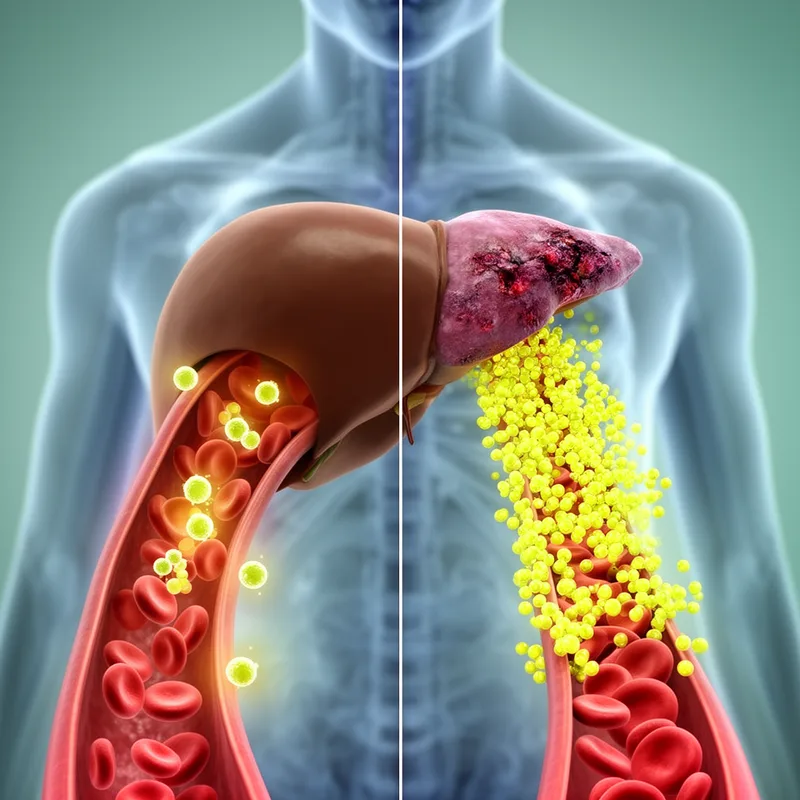
glutamic oxaloacetic transaminase
- noun
- /ɡluˈtæmɪk ˌɑksəloʊəˈsɛtɪk ˌtrænzəˈmɪneɪs/
- Specialized
 :
transaminasa glutámico-oxaloacética
:
transaminasa glutámico-oxaloacética
- Elevated levels of glutamic oxaloacetic transaminase in the blood may indicate liver damage.
Examples
-
Doctors often check glutamic oxaloacetic transaminase as part of a routine liver function test.
-
The level of glutamic oxaloacetic transaminase is measured in blood tests.
-
The results showed a significant increase in glutamic oxaloacetic transaminase after the patient began the new medication.
-
High levels of glutamic oxaloacetic transaminase may indicate liver damage.
-
Doctors often check glutamic oxaloacetic transaminase as part of a routine liver function test.
-
Elevated levels of glutamic oxaloacetic transaminase in the blood may indicate liver damage.
-
The level of glutamic oxaloacetic transaminase is measured in blood tests to assess liver health.
Synonyms



 1
9.8
1
9.8
An enzyme that moves an amino group from one amino acid to another in the body
 1
8.8
1
8.8
A protein that moves part of an amino acid to another chemical

A protein measured in blood that shows liver damage when high

A protein that moves a small chemical part from one amino acid to another helping the body use amino acids
Surface Forms
Morphology
glutamic + oxaloacetic + transaminase
If a learner knows 'glutamic' (relating to glutamic acid), 'oxaloacetic' (relating to oxaloacetic acid), and 'transaminase' (an enzyme that transfers amino groups), they can compose the meaning: an enzyme that catalyzes amino-group transfer between glutamic and oxaloacetic acids. The term follows regular scientific naming conventions and is morphologically literal rather than idiomatic, so its meaning is recoverable from the parts.
Etymology
Glutamic oxaloacetic transaminase is named for the two acids it works with: glutamic and oxaloacetic, and the word transaminase basically means 'it moves an amino part' between them. So the name gives a simple picture of its job, which is why doctors measure it to check the liver.