
gladdon iris
- noun
- Archaic
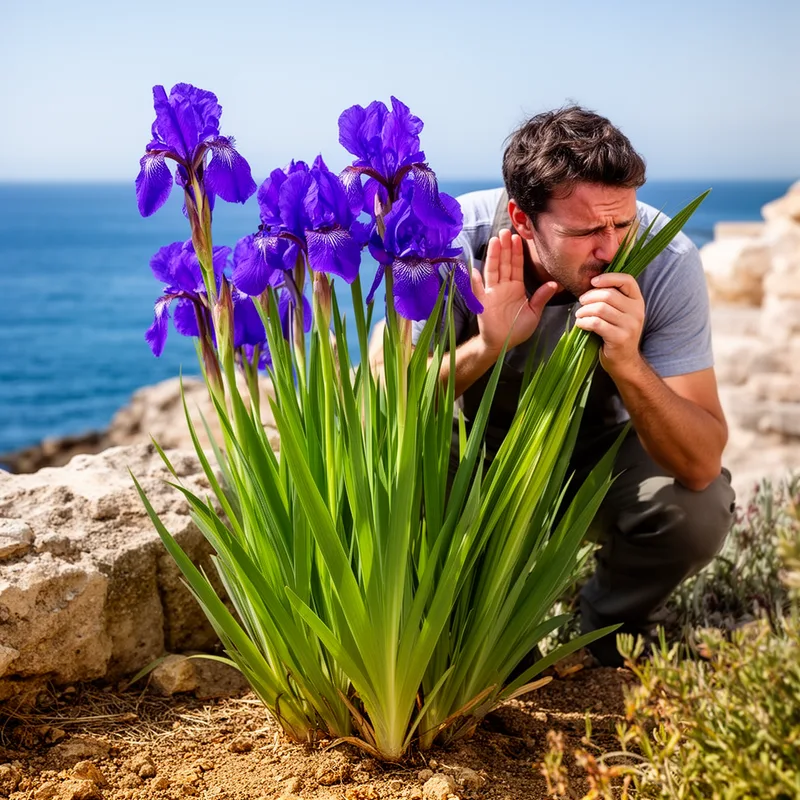
- Gardeners sometimes avoid the gladdon iris because of the odor of its leaves.
Examples
-
The gladdon iris is often found growing wild along Mediterranean coastlines.
-
She planted a row of gladdon irises to add color to the border of her garden.
-
The gladdon iris blooms beautifully in spring.
-
Many gardeners love the gladdon irises in their yards.
-
Gardeners sometimes avoid the gladdon iris because of the odor of its leaves.
-
The gladdon iris is often found growing wild along Mediterranean coastlines.
-
She planted a row of gladdon irises to add color to the border of her garden.
Synonyms

A plant with purple flowers and leaves that smell bad when crushed

A plant like an iris that has purple flowers and bad-smelling leaves

A plant with purple flowers and very smelly leaves that grows every year

A garden plant with purple flowers and leaves that smell bad when crushed

A type of iris with purple flowers and leaves that smell bad
Surface Forms
Morphology
The compound is directly compositional: 'gladdon' names a particular kind of iris and 'iris' denotes the flower, so the species meaning follows from combining the two constituents. Noun+noun compounding is a common and transparent pattern and the constituent senses (purple-flowered, foul-smelling iris) supply the semantic content a B1 learner who knows both words would need.
Etymology
Gladdon iris may come from an old word meaning 'small sword', because the part gladdon likely referred to the long, narrow leaves that look like little blades behind the iris flower. So the name helps you remember this purple iris: it has long, blade-like leaves and often gives off a 'bad smell'.

