

foregoing
- adjective
- /fɔrˈɡoʊɪŋ/
- Formal
- Textual evidence supports the foregoing statement.
Examples
-
For all the foregoing reasons, the petition is denied.
-
Jessor (1987) has elaborated on the complex interaction of the foregoing factors and developed a comprehensive theory of problem behavior that also includes drug abuse.
Academic text (2007) -
But the other thing is that when you make a choice in your life to do this or that thing, your foregoing opportunities to do other things.
-
As I see it, there's only one solution to all the foregoing difficulties from the very outset, and this is a rather peculiar mixed metaphor.
-
The committee reached its decision based on the foregoing recommendations from experts.
-
In her article, she emphasized the importance of the foregoing points regarding health and wellness.
-
The judge referred to the foregoing evidence when making her ruling on the case.
Synonyms

 812
1.0
812
1.0

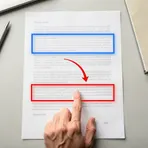
Mentioned earlier in the text or document
 47
6.1
47
6.1
Mentioned earlier in the same text or conversation
 7
4.1
7
4.1
Mentioned earlier in the same text
 3
8.6
3
8.6
Mentioned earlier in the same text or speech


 1
9.2
1
9.2
Mentioned earlier in the same document or statement
Antonyms


How Recent

Surface Forms
Morphology
Etymology
Foregoing comes from the parts fore- 'before' and going 'moving', so it literally means 'going before'. That's why foregoing is used for something that 'goes before' in a text or talk and means 'just mentioned' or 'previous'.