
exoergic reaction
- noun
- /ˌɛksoʊˈɜrdʒɪk riˈækʃən/
- Specialized
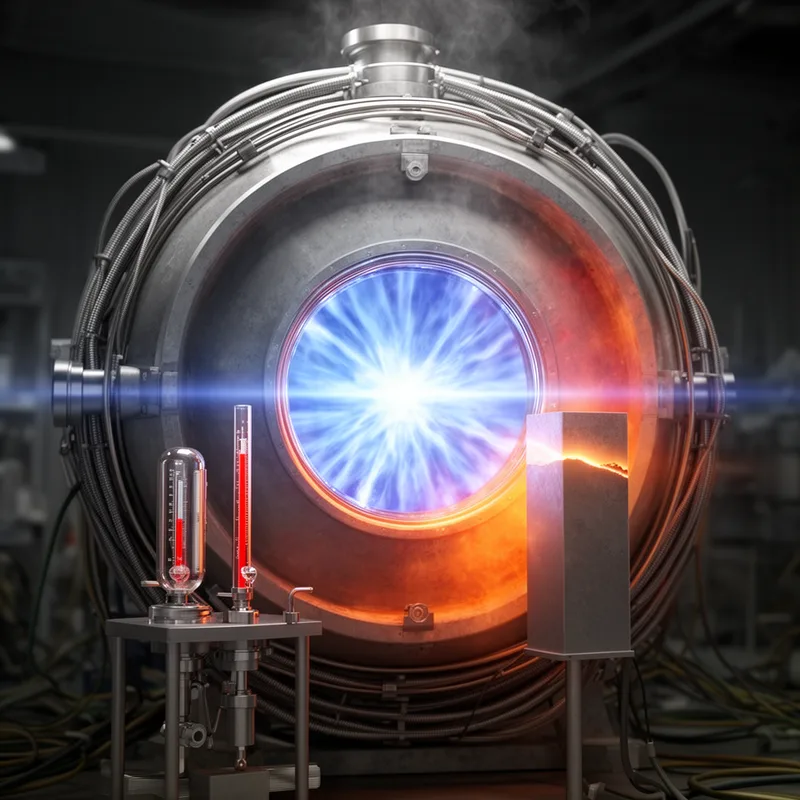
- During nuclear fusion, an exoergic reaction results in the release of a large amount of energy.
Examples
-
An exoergic reaction releases a significant amount of energy.
-
In this laboratory experiment, students studied both endoergic and exoergic reactions.
-
An exoergic reaction can be identified by observing the increase in temperature during the process.
-
The exoergic reactions in nuclear fusion are fascinating.
-
During nuclear fusion, an exoergic reaction releases a tremendous amount of energy.
-
An exoergic reaction is characterized by the release of energy that can heat surrounding materials.
-
In a typical exoergic reaction, energy is emitted, making it an important process in nuclear physics.
Synonyms


 1
4.1
1
4.1
A process that gives off energy, for example burning or digestion

A process that releases energy, for example in cells
Antonyms

- Specialized
A reaction in the centre of an atom that takes in energy from around it
How Energy-Releasing
- Specialized

- Specialized
1
5.9
Surface Forms
Morphology
The phrase is fully compositional: 'exoergic' means 'releases energy' and 'reaction' denotes a chemical/nuclear process, so together they mean 'a reaction that releases energy.' Although 'exoergic' is somewhat technical, its meaning is predictable from the constituent morpheme (similar to 'exothermic'), so a learner who knows both words would understand the MWE.
Etymology
Exoergic reaction comes from Greek parts exo meaning 'out' and erg meaning 'work', so it paints the picture of energy moving out of a system. Imagine a kettle giving off heat and steam; the energy leaves the kettle, so an exoergic reaction is a reaction that releases energy.