

exoergic
- adjective
- /ˌɛksoʊˈɜrdʒɪk/
- Specialized
- The fusion of deuterium and tritium is an exoergic nuclear reaction, producing substantial amounts of energy.
Examples
-
An exoergic process is essential for powering nuclear reactors.
-
Unlike endoergic reactions, exoergic reactions can proceed without external energy input.
-
Scientists observed that the chemical process was exoergic, resulting in the spontaneous release of heat.
-
The exoergic reaction released a significant amount of energy.
-
The fusion of deuterium and tritium is an exoergic nuclear reaction, producing substantial amounts of energy.
-
Scientists observed that the chemical process was exoergic, resulting in the spontaneous release of heat.
-
Unlike endoergic reactions, exoergic reactions can proceed without external energy input.
Synonyms


 1
4.1
1
4.1
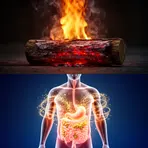
A process that gives off energy, for example burning or digestion

A process that releases energy, for example in cells
Antonyms

- Specialized
To take in energy from the surroundings during a chemical or nuclear reaction
Compounds

How Energy-Releasing
- Specialized

- Specialized
2
7.7
Surface Forms
Morphology
exoergic = erg (opaque) = exo + erg + ic
The term 'ergic' is specialized and not easily derived from its components without specific scientific knowledge.
Etymology
The word exoergic comes from the prefix exo- meaning 'outside' or 'out' and the root erg meaning 'work' or 'energy'. So an exoergic reaction sends energy 'out', which is why it releases heat or power.