

endothermic
 2
7.7
2
7.7

- adjective
- /ˌɛndəˈθɜrmɪk/
- Specialized
- Because the decomposition reaction is an endothermic reaction, the temperature in the gasifier declines.
Examples
-
In an endothermic reaction, heat is absorbed from the surroundings to drive the process.
-
Photosynthesis is an endothermic process where plants absorb energy from sunlight.
-
In any endothermic reaction, the surface molecules are always the first to become stable.
-
The complete gasification reaction is endothermic.
Academic text (2018) -
This evaporation is endothermic, which means that heat is acquired (in this case, by the water vapor) during the process.
Blog text (4) -
The pyrolysis reactions and char conversion reactions are endothermic, which absorb the heat from the bed material.
Academic text (2018) -
Superheated steam is added to the reactor, and reactor heating elements are activated to drive an endothermic reaction that reduces the toxicity of the process gas by more than 99.99 percent.
Academic text (1995) -
In recent years, our awareness of and respect for reptiles has increased markedly, in large part because of paleontological evidence indicating that many dinosaurs were endothermic—that is, they produced their own body heat and so seem more like us.
Academic text (1992) -
The entire process IX + CH4 → XII is calculated to be endothermic by 11.4 and 3.0 kcal/mol for the 9A and 11A states, respectively.
Academic text (2001) -
The endothermic nature of melting ice means it requires heat from its environment.
Synonyms
 1
5.7
1
5.7
To take in energy from a hit or heat instead of releasing it
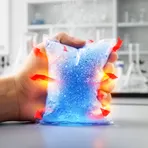
A material or reaction that takes in heat from its surroundings

Absorbs heat during a chemical process

To take in energy from the surroundings during a chemical or nuclear reaction
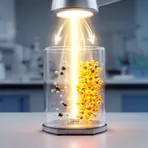
A chemical reaction that needs energy because the things made have more energy than the ones you start with
Antonyms

Compounds

How Heat-absorbing
- Specialized
2
7.7

- Specialized
3
6.5
Surface Forms
Morphology
Etymology
Endothermic comes from the Greek parts endo- meaning 'inside' and therm meaning 'heat', the same 'therm' you see in thermometer. So, an endothermic reaction is one where heat goes 'in' to the substance, which means it takes in heat from around it.