

embolism
- noun
- /ˈɛmbəˌlɪzəm/
- Archaic
- The ancient Romans used embolism to keep their lunar calendar in sync with the solar year.
Examples
-
An embolism can occur during a leap year.
-
The reform introduced a system of embolism to address inconsistencies in the old dating method.
-
A calendar embolism often involves adding a leap day or a leap month.
-
February has an embolism in leap years.
-
The addition of an extra day in February during a leap year is an example of embolism in the calendar.
-
In the Julian calendar, the practice of omitting or adding days is referred to as embolism.
-
To accommodate seasonal changes, the calendar sometimes employs embolism by including an additional month.
Synonyms

 3
2.3
3
2.3

An extra day added to the calendar every four years, February 29
 1
3.5
1
3.5
An extra day in February that appears every four years

An act of adding something between other parts, often a day in a calendar

An extra day, February 29th, that people add to the calendar in a leap year
Compounds

- Specialized
6
6.1
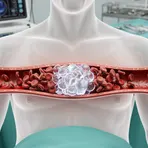
A blood clot that blocks a vessel in the lungs and stops blood flow
- Specialized
1
6.0
Bubbles of air in the blood that block blood flow and can cause serious harm

- Specialized
1
7.5
When fat enters the blood and blocks a blood vessel after a broken bone

- Specialized
A dangerous problem that happens when air bubbles get into the blood and stop blood flow
Surface Forms
Morphology
embolism = embol + ism
Although the word contains the familiar suffix '-ism', the stem 'embol-' is not a transparent English base, so the calendar sense is not guessable from modern English morphology.
Etymology
Embolism comes from the Greek parts em- meaning 'in' and ballo meaning 'to throw', so it means 'to throw in'. A helpful way to remember the calendar sense is to imagine an extra day or month 'thrown into' the year to keep the dates correct.