

to ditch
 234
4.4
234
4.4

- verb
- /dɪtʃ/
- Informal
- China and Brazil have just struck a deal to ditch the US dollar.
Loading YouTube…
Watch on YouTubeFirst of all, ditch the perfume and the Cologne.
- First of all, ditch the perfume and the Cologne.
- So then I ditched my third period class.
- Instagram, they ditched IGTV, they're going all vertical videos.
- But for now, I absolutely thinking about it's time to ditch Barclays Blue Rewards.
- OK, so honestly, I'm just ditching these directions.
- Secret number one is ditch unnecessary prerequisites.
Examples
-
Can you... ditch this for me somewhere?
-
Dawn decided to ditch her job and pursue her passion for painting instead.
-
Is there anything else before I ditch this?
-
I think we're going to do this for the base and then ditch this thing.
-
Dawn finally got to ditch her real estate job.
-
You were totally right to ditch me in that alley.
-
If I was ever gonna go straight, I'd have to ditch him.
-
Pull the paintings, ditch the frames.
-
First of all, ditch the perfume and the Cologne.
-
I've been trying to get him to ditch that geek-boy persona.
Fiction book (2001)
Synonyms
 ∞
1.0
∞
1.0
To not take something or someone with you when you go
 ∞
3.1
∞
3.1
To leave out a sound or part of a word
 773
3.1
773
3.1
Leave someone or something behind permanently and without care
 604
2.6
604
2.6
To go away from a place without taking someone or something with you
 501
5.1
501
5.1
To end a romantic relationship suddenly and without care
 477
1.8
477
1.8
To get rid of something you do not want, for example by putting it in the bin
 466
2.8
466
2.8
To stop taking part in a place or activity
 206
3.4
206
3.4
To stop being involved in an activity or agreement
 163
4.2
163
4.2
To stop considering a case, request, or proposal in court
 130
2.7
130
2.7
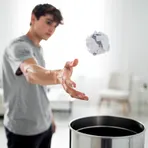
To throw something away because you no longer want or need it
 79
3.2
79
3.2
Leave an activity or agreement you had joined
 57
4.2
57
4.2
To throw something away carelessly
 39
2.7
39
2.7
To throw away things you do not want
 38
6.9
38
6.9
To leave someone who needs your help
 22
1.0
22
1.0
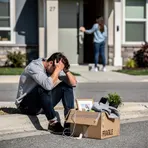
To leave a place and not return
 12
7.7
12
7.7
Leave a place quickly, often in a rude way
 12
9.4
12
9.4
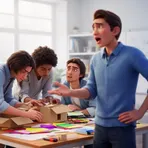
Suddenly stop seeing or talking to someone
 7
8.6
7
8.6
Get rid of someone or something you no longer want
 5
2.0
5
2.0
To throw something away because you no longer want or need it
 1
6.0
1
6.0
To reject or get rid of something no longer needed
 1
9.9
1
9.9
To leave a place quickly because you do not want to be there


 1
5.0
1
5.0
To force someone to leave a place usually because they cause trouble

To leave a place quickly, often to avoid trouble
Antonyms


Idioms

Compounds





- Specialized
A tall plant in wet places with long leaves and feathery flowers used to make mats and arrow shafts

How Sudden
- Informal
501
5.1

- Informal
234
4.4
773
3.1
∞
1.0
22
3.9
Surface Forms
Etymology
Ditch meaning 'to abandon' comes from the old English word dic, which meant a 'trench' or hole in the ground. Imagine leaving something in a ditch and walking away — that's why to ditch someone or something is to get rid of them suddenly.